AI-Driven Insights: How Big Data is Transforming iGaming CRM Platforms

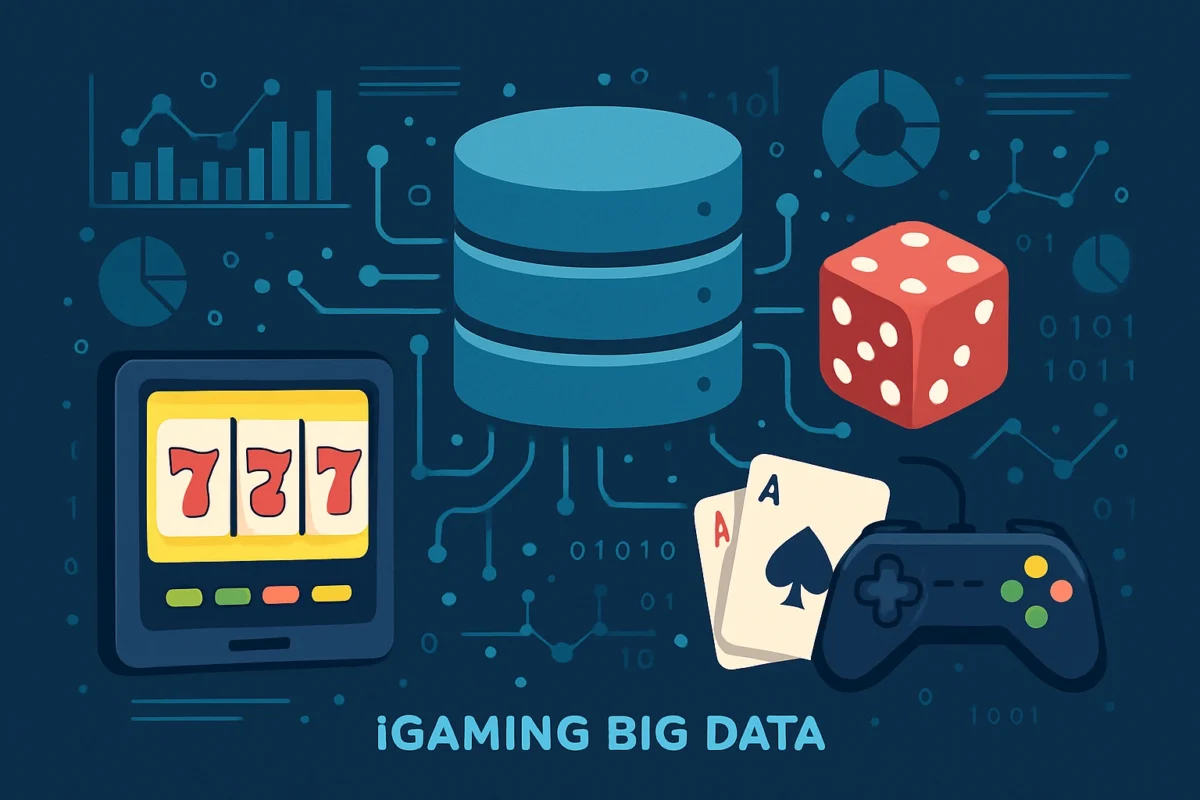
The world of iGaming is an absolute data powerhouse. Every time a player spins a slot, places a bet, clicks a button, or sends a chat, they’re generating a non-stop, massive flow of information often measured in petabytes. For ages, the standard tools just couldn’t handle this sheer volume. As a a result, this has often led to stale, generic marketing and customer service that was always playing catch-up. Now, everything is changing. By blending powerful Big Data infrastructure with smart, AI-driven CRM systems, operators are finally able to truly understand their players.
This brilliant mix is delivering hyper-personalization, incredibly accurate predictions, and automated ways to keep players happy and coming back. In this article, we’ll look at the technology which helps iGaming to transform all that raw data into clear, actionable insights.
The Big Data Challenge in iGaming
iGaming data is characterized by its Volume, Velocity, and Variety the three V’s of Big Data:
Volume: A large operator can process billions of transactions daily, from micro-bets and session logs to complex game state data.
Velocity: This data is generated and must be processed in real-time. A delay of even minutes in identifying a high-risk player or delivering a targeted bonus can result in churn or loss of revenue.
Variety: Data comes from diverse sources: structured transactional databases, unstructured live chat transcripts, semi-structured web logs, and external social media feeds.
Traditional relational database management systems (RDBMS) and legacy CRM platforms cannot handle this scale and speed.
Also See: Key Features of iGaming CRM to Enhance Player Experience
The Role of AI in Extracting Actionable Insights
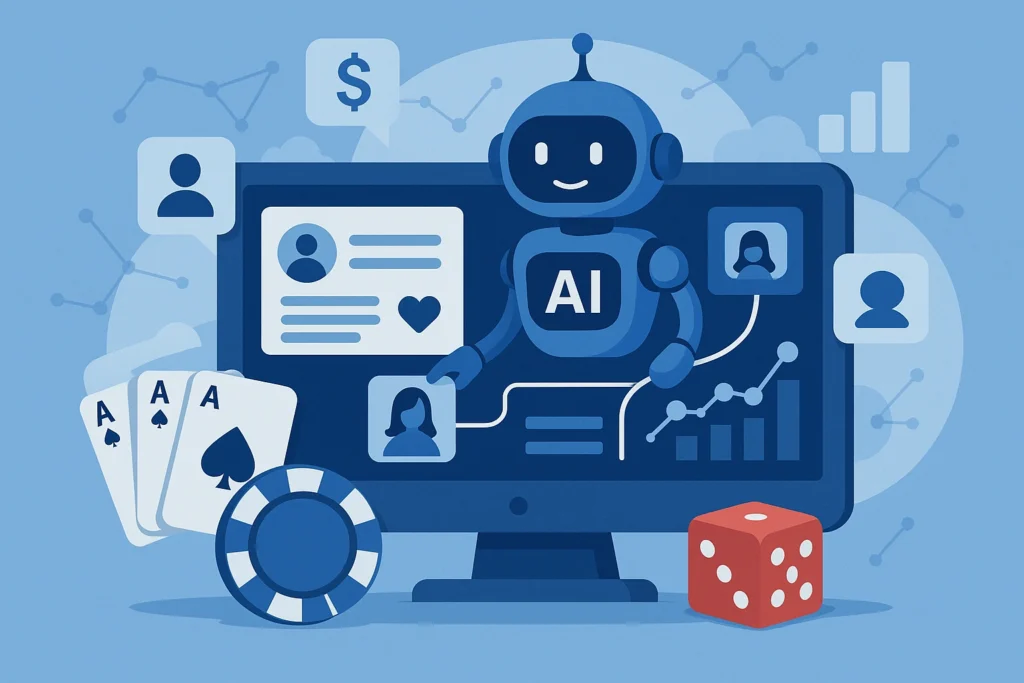
Data storage is only the first step; the true value is unlocked by AI CRM solutions that transform raw data into predictive models. Gaming analytics driven by AI moves beyond simple reporting (“What happened?”) to predictive and prescriptive analysis (“What will happen, and what should we do about it?”).
Predictive Churn Modeling
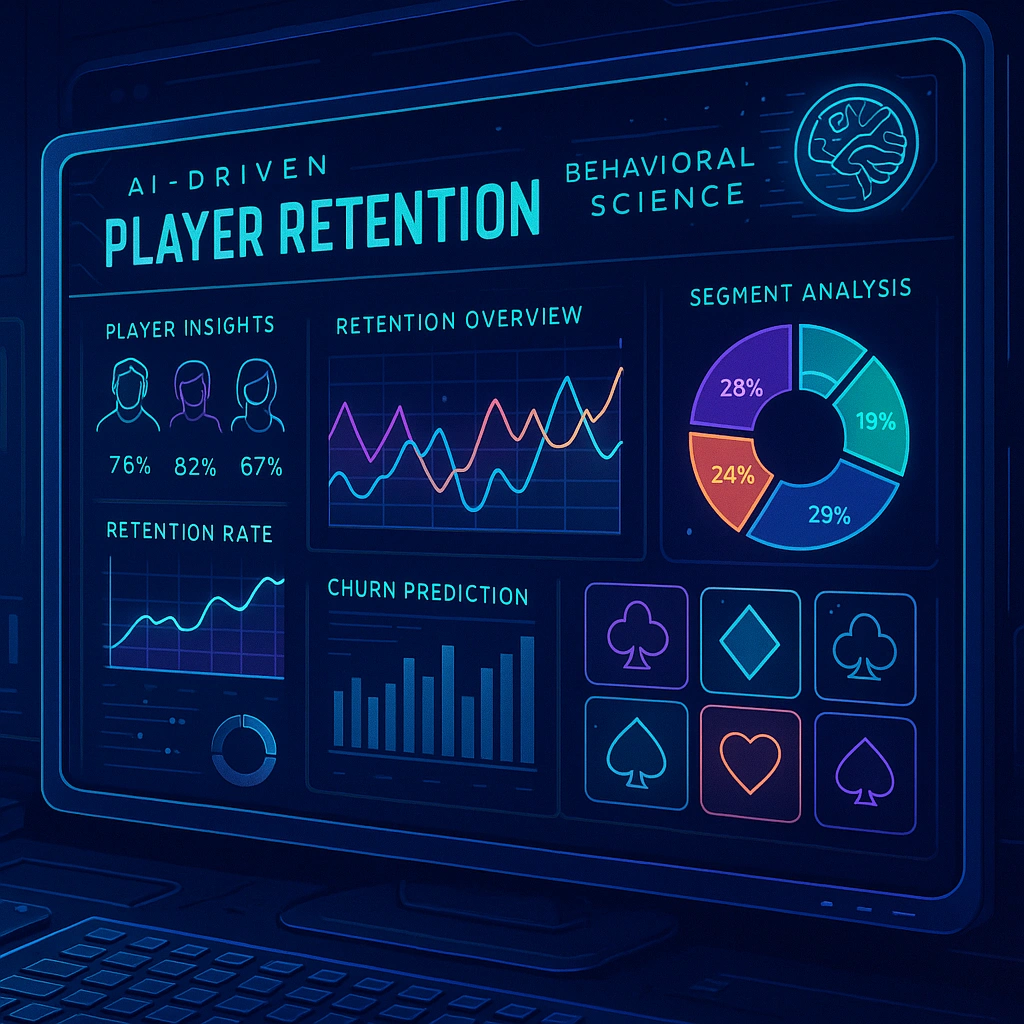
The most critical application of predictive CRM analytics is identifying players who are likely to churn before they actually do.
How it Works
Machine Learning (ML) models analyze subtle behavioral shifts that precede inactivity. These factors include
- a decrease in average bet size,
- a move from a preferred game to random or less engaging games,
- or a change in the average time of day a player logs in.
Data Insights
The model calculates a real-time Propensity-to-Churn Score for every active player. This allows the AI-driven CRM to categorize players by risk and prioritize retention efforts.
Personalizing Lifetime Value (LTV)
AI refines the concept of player value by calculating Predictive Lifetime Value (pLTV).
How it Works
ML regression models factor in early engagement metrics (first 7 days), deposit velocity, bonus responsiveness, and demographic data to forecast the total revenue a player is expected to generate over their entire lifespan.
Data Insights
This allows the customer relationship management gaming platform to identify “Sleeping Giants” where players who are currently low-spenders but have a high pLTV and target them with higher-value retention offers to accelerate their engagement, optimizing marketing spend.
Hyper-Segmentation and Real-Time Experience
AI-driven segmentation is infinitely more nuanced than rule-based systems.
How it Works
Clustering algorithms group players not just by historical spend. But by dynamic behavior, game preference, and emotional state (derived from sentiment analysis). A player might fall into the “High-Roller/Frustrated” segment one day and the “Mid-Value/Happy” segment the next.
Data Insights
This enables the igaming software to deliver a hyper-personalized experience in real-time. This includes instantly changing the content on the website lobby or triggering a contextual pop-up bonus immediately after a specific sequence of wins or losses.
Transforming CRM Execution with Automation
The shift to Big Data iGaming requires a corresponding leap in execution capabilities. Player retention automation is the mechanism by which AI insights are translated into measurable actions.
Next-Best-Offer (NBO) Automation
The NBO engine is the central feature of the AI-driven CRM.
Mechanism: For any given moment, the NBO model analyzes the player’s current state and, using reinforcement learning, determines the optimal action: Which game recommendation, which bonus, or which communication channel will yield the highest long-term engagement?
Result: This leads to a massive reduction in wasted bonus spend (less “over-bonusing”) and ensures that every interaction is aimed at maximizing LTV. The system can automate millions of unique offers per day, a scale impossible for human CRM teams.
Responsible Gaming (RG) Automation
AI is a powerful tool for ethical operations, enabling proactive intervention that exceeds regulatory minimums.
Mechanism: ML models are trained on patterns of problematic play like chasing losses, rapid increase in stake size, unusual session lengths and cross-referenced with negative sentiment detected in chat logs. The system assigns a real-time RG risk score.
Result: When the risk score breaches a threshold, the AI CRM solutions can automatically trigger responsible gaming actions, such as presenting a time-out option, limiting deposit capability, or sending an empathetic, non-promotional message with support resources. This is a critical component of sustainable customer relationship management gaming.
Automated Communication Channel Optimization
AI determines not just the message, but the optimal delivery method.
Mechanism: By analyzing historical gaming analytics, the AI learns which players are most receptive to email, SMS, in-app notification, or push messages, and even the optimal time of day to send the message for maximum open rate and conversion.
Result: Communications intrude less and work more effectively, ensuring we deliver the personalized player experience at the right moment and through the player’s preferred channel.
The Future of iGaming CRM: A Data-Driven Ecosystem

The integration of Big Data, AI, and advanced igaming software is creating a powerful, self-optimizing ecosystem. The future will focus on deeper integration and continuous learning:
Predictive Operations: AI will guide not just marketing, but also game design (which features are most engaging) and financial forecasting (how promotional strategies impact P&L).
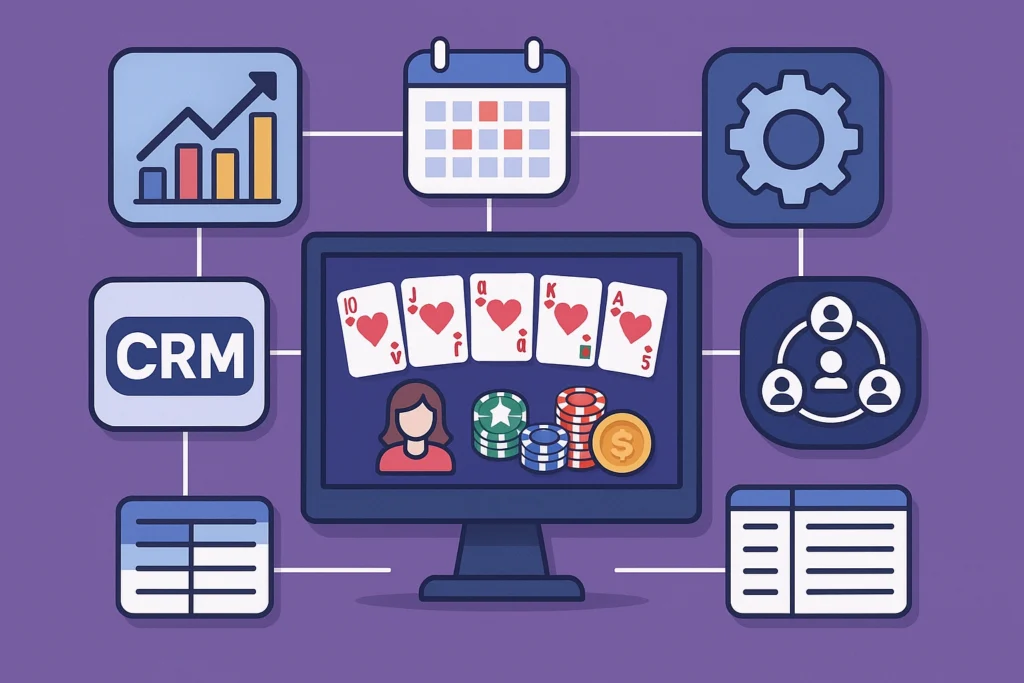
Unified Player Profiles: The AI-driven CRM will serve as the central nervous system, connecting all departments like marketing, customer service, risk, and compliance to a single, unified, and real-time player profile, ensuring consistent and personalized interaction across all touchpoints.
Conclusion
The shift to Big Data iGaming represents the most significant competitive advantage in the industry. Operators who successfully harness predictive CRM analytics and AI CRM solutions will be the ones who will win the battle for player loyalty in the digital arena.
FAQ: iGaming Big Data
How do robots prioritize safety when encountering a human?
Robots use a multi-tiered system based on LiDAR and safety laser scanners. If a human enters the outer “warning zone,” the robot decelerates. If the human enters the inner “safety zone,” the robot initiates a controlled, immediate stop.
Does the implementation of robotics lead to job losses?
While robots replace repetitive, physically demanding, and injury-prone jobs (e.g., walking, lifting), they create new roles that require different skills. These include robot maintenance technicians, AI warehouse solutions supervisors, data analysts, and process optimization specialists.
What is the biggest advantage of automated warehouse safety over traditional systems?
The biggest advantage is predictability and consistency. Robots follow programmed safety protocols perfectly, 24/7, without fatigue or distraction.
Can AMRs be reprogrammed to adapt to a changing warehouse layout?
Yes, one of the key features of modern AMRs is flexibility. Operators can quickly reprogram track-based systems and warehouse management robotics systems to navigate new layouts or reroute around temporary obstacles.