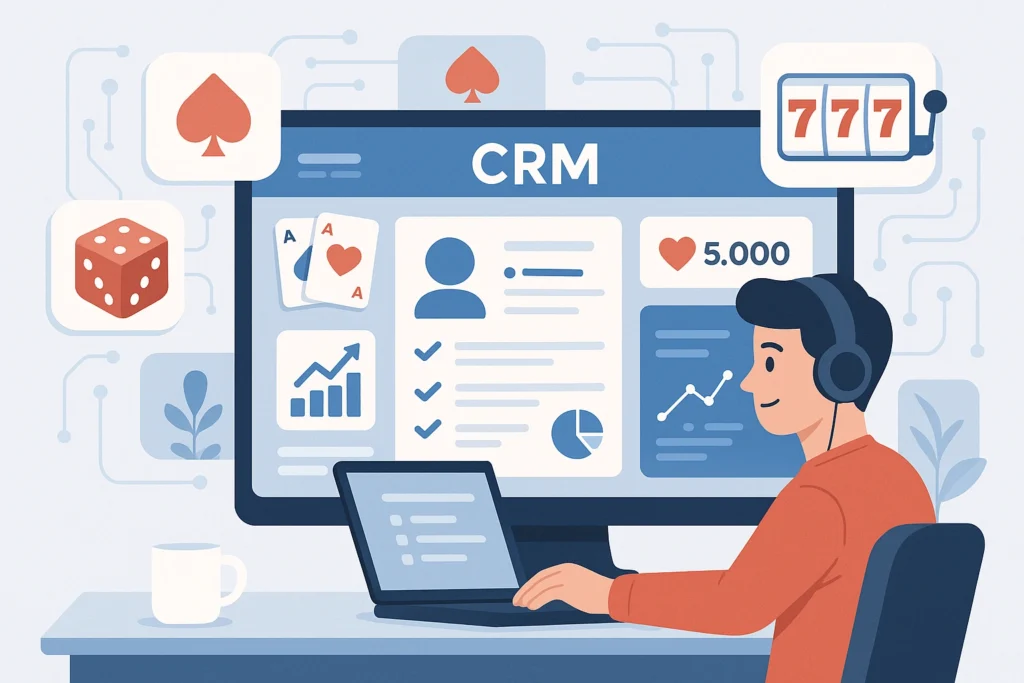
Boosting Casino Revenue with iGaming Loyalty Program Automation

Forget relying only on chance. Every jackpot, every bonus, and every free spin is now underpinned by data and this data is the ultimate advantage for the house. To succeed in the modern gaming landscape, you need more than just attractive games or generous promotions. You need to deeply understand your players, anticipate their actions, and reward them intelligently. That’s where automated, data-driven iGaming loyalty programs transform the playing field. 

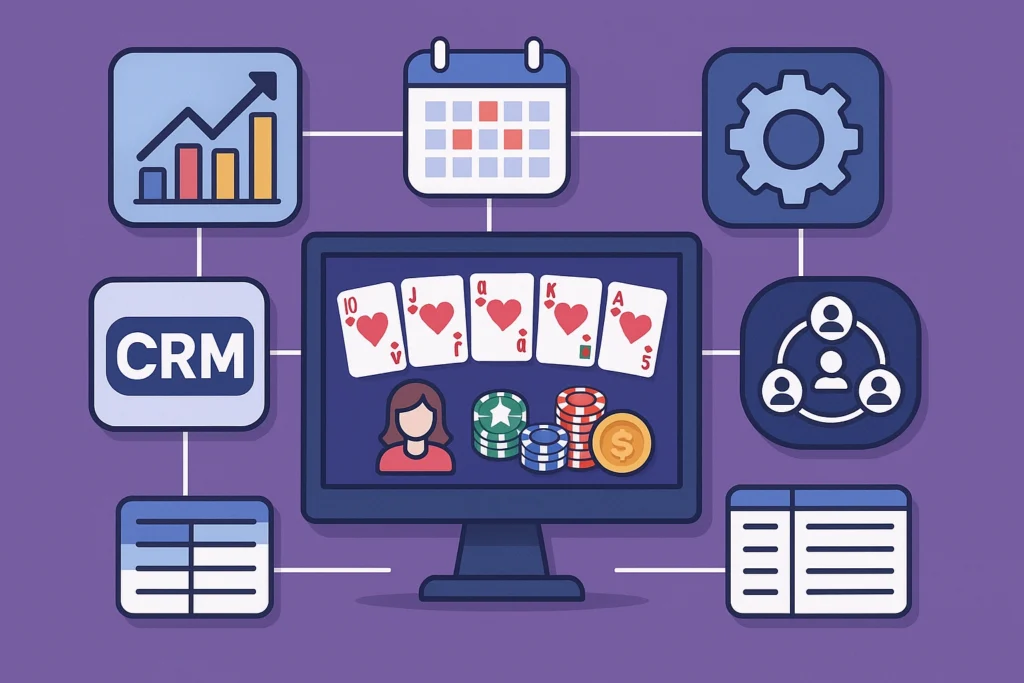
By seamlessly integrating powerful CRM casino software with real-time analytics, casinos gain the ability to hyper-personalize experiences, automate campaigns aimed at keeping players, and maximize player lifetime value. The best part? It cuts out the old-school, manual guesswork.

In this article, we’ll break down exactly how loyalty program automation improves engagement, accelerates casino revenue growth, and equips gaming operators to build sustainable, long-term customer relationships.

What Is iGaming Loyalty Program Automation?

Loyalty program automation means using technology primarily CRM and AI-driven tools to manage player rewards and engagement without constant human intervention.

Instead of manually tracking points or sending generic promotions, automation tools do it all dynamically:

  • Track gameplay activity in real time
  • Trigger personalized rewards automatically
  • Segment players based on spending habits or preferences
  • Send timely offers across multiple channels

The result? A smart, self-operating loyalty ecosystem that knows when and how to engage each player.

This automation makes the difference between a casino that reacts and one that anticipates.

Why Loyalty Programs Matter in Casinos

Loyalty programs are the backbone of player retention. They give users a reason to come back and spend more.

In the highly competitive iGaming sector, where switching between platforms takes seconds, retaining existing players is far more profitable than chasing new ones.

Effective loyalty programs:

  • Build emotional connection through recognition and reward
  • Increase play frequency and deposit size
  • Reduce churn by keeping players engaged
  • Turn casual players into VIPs

But traditional programs often fall short because they rely on static rules and outdated systems. Automation changes that.

Also See: Behavioral Segmentation: Unlocking New Levels of Player Retention

How Data-Driven Loyalty Automation Boosts Revenue

1. Real-Time Player Insights

Data is the foundation of modern casino strategy. Advanced iGaming analytics platforms pull data from every touchpoint like deposits, game preferences, time spent, and even device type.

This creates a complete behavioral profile of each player. With this insight, casinos can automatically segment players, predict churn, and adjust rewards dynamically.

For example:

  • A player showing reduced activity may automatically receive a “We miss you” bonus.
  • High-frequency players can unlock surprise tier upgrades or cashback offers.
  • Every interaction feels personalized, not generic and that emotional connection drives retention.

2. Automated Retention Strategies

Manually running retention campaigns is time-consuming and inconsistent. Automated loyalty programs fix this.

Through customer relationship management (CRM) platforms, casinos can set up data-driven workflows that trigger responses automatically.

Examples include:

  • Win-back campaigns for inactive users
  • Anniversary bonuses for long-term players
  • AI-driven reminders to re-engage users during low activity periods

These campaigns run continuously, 24/7, without needing human supervision — turning your CRM into an autonomous engagement engine.

3. Personalized Offers That Convert

Players don’t all respond to the same rewards. Some want free spins, others prefer cashback or VIP perks.

Gaming loyalty CRM systems analyze which incentives generate the best reactions per player segment. Over time, the software learns what works optimizing offers for maximum conversion.

For instance:

  • Slot players may receive bonus spins.
  • Sports bettors might get odds boosts.
  • VIPs could get private event invitations.

This isn’t just personalization, it’s predictive personalization. Offers arrive exactly when a player is most likely to act.

4. Seamless Multi-Channel Engagement

what is CRM casino software

Modern players interact with casinos across multiple platforms like desktop, mobile apps, email, and social media.

Automated CRM tools ensure loyalty messages stay consistent across every channel. Whether it’s a text message about a reward or a push notification promoting a tournament, automation keeps communication timely and relevant.

This unified experience builds brand trust and keeps the player journey fluid no matter how or where they play.

5. Improved ROI Through Smarter Resource Allocation

Automation reduces the cost of running large-scale loyalty programs. Plus, there’s no need for manual segmentation or data entry.

Campaigns run automatically and results are measurable in real time. With better tracking, casinos know which programs generate the highest revenue. Ineffective campaigns can be adjusted or eliminated instantly.

That efficiency translates directly into higher ROI, less time managing, more time optimizing.

Key Technologies Behind Loyalty Automation

1. CRM Casino Software

Modern CRM casino software integrates with game servers, payment gateways, and customer support systems. It centralizes every piece of player data enabling targeted engagement and automated reward delivery.

2. AI and Machine Learning

Machine learning models analyze patterns in player behavior to predict what they’ll do next from potential churn to preferred rewards. AI-driven automation personalizes every step of the loyalty journey.

3. Data Analytics Platforms

iGaming analytics dashboards translate complex data into actionable insights. They help managers understand which campaigns boost deposits, what times players are most active, and which games retain the longest sessions.

4. Integration APIs

To tie all this together, integration APIs connect loyalty systems with marketing, payment, and security platforms creating a single, intelligent ecosystem.

Measuring Success: Key Metrics to Track

Automation without measurement is blind. To understand whether your loyalty program truly drives casino revenue growth, track:

Retention Rate – The percentage of players who return after their first session.

Churn Rate – The rate at which players stop engaging.

Player Lifetime Value (LTV) – Average revenue generated over a player’s lifetime.

Reward Redemption Rate – How often players claim their bonuses.

Campaign ROI – Revenue generated compared to cost of automation tools.

These metrics give a clear picture of performance and help fine-tune strategy.

The Human Element in an Automated World

Automation doesn’t replace the need for human connection, it enhances it.

When players feel their behavior is understood and rewarded authentically, they develop emotional loyalty. Support teams can then focus on high-impact interactions like resolving VIP issues or managing exclusive experiences rather than repetitive tasks.

Automation handles the routine; humans deliver the empathy.

The Future of Casino iGaming Loyalty Program  Automation

about casino revenue growth

As AI and CRM innovation evolve, expect loyalty programs to become even more adaptive:

Predictive loyalty models: Forecasting which players will respond best to upcoming campaigns.

Voice and chatbot integration: Offering instant, personalized support within gaming platforms.

Blockchain-based reward systems: Adding transparency and transferability to loyalty points.

Augmented reality (AR) experiences: Turning rewards into immersive events.

FAQ: iGaming Loyalty Program

What’s the main benefit of automating casino loyalty programs?

Automation saves time, reduces manual errors, and ensures every player receives timely, relevant rewards improving both retention and revenue.

Do smaller casinos benefit from loyalty automation?

Absolutely. Cloud-based CRM casino software scales easily, allowing even smaller operators to automate engagement efficiently.

Is data privacy a concern with loyalty analytics?

Yes, but leading platforms follow strict GDPR and gaming compliance standards. Transparency and consent are key to maintaining player trust.

How quickly can casinos see ROI from automation?

Most operators notice improvements in retention and player spend within 3–6 months of implementation.

Conclusion

Think of data-driven loyalty program automation not just as a marketing gadget, but as the growth engine for today’s casino. By weaving together predictive analytics (knowing what a player will do next), truly personalized offers, and smart CRM software, casino operators can transform raw data into two key things: deep, long-term player engagement and reliable, measurable revenue. 

In a competitive world where every player expects an experience perfectly tailored just for them, this kind of automation is your assurance. It makes sure your casino delivers that exact, personalized experience consistently, efficiently, and profitably.

Exploring the Neuroscience of Gambling: Enhancing iGaming CRM Strategies

Ever wondered why some casino games just keep people hooked? What’s that magic trigger for the rush of excitement or the feeling of a big win? The truth is, it all comes down to what’s happening deep inside the brain or neuroscience of gambling. 

The modern iGaming world isn’t just a toss of the dice anymore, it’s cleverly designed using neuroscience and the psychology of play. Operators are realizing that to build true loyalty, they need to understand how our brains respond to risk, reward, and anticipation. That insight is completely changing how they craft the online casino experience. 

By connecting these neurogaming insights with smart CRM (Customer Relationship Management) platforms, online casinos can do more than just send generic emails. They can genuinely personalize a player’s journey, accurately predict their behavior, and create environments that feel genuinely rewarding, not just like a sneaky manipulation.

The Neuroscience of Gambling 

Gambling activates some of the brain’s most powerful reward systems. When a player wins or even anticipates a win the brain releases dopamine, the neurotransmitter responsible for pleasure and motivation.

But here’s the twist: the biggest dopamine spikes often occur during near-misses like moments when a player almost wins. This creates a loop of excitement and hope that keeps players engaged.

From a scientific standpoint, gambling taps into three key neural systems:

The Reward Circuit (Dopamine Pathway) – Triggers pleasure and motivation.

The Decision-Making Network (Prefrontal Cortex) – Manages risk, control, and strategic thinking.

The Emotional Core (Amygdala) – Processes excitement, fear, and impulsive responses.

When iGaming brands understand these systems, they can design more responsible and engaging player experiences.

How Neuroscience Shapes iGaming CRM

Modern iGaming CRM software is no longer just about storing data. It’s about interpreting emotional signals hidden in player behavior. By merging cognitive psychology with data analytics, CRM tools can detect what motivates different types of players and respond in real time.

1. Emotion-Driven Personalization

Neuroscience shows that emotion drives loyalty. If players associate positive emotions with your brand like excitement or trust they’re more likely to return. CRM systems use data such as time spent, preferred games, and response to bonuses to tailor interactions. For example:

  • A thrill-seeker might receive time-limited challenges.
  • A cautious player might prefer safer rewards and gradual progression.

2. Understanding Cognitive Load

Too many choices can overwhelm the brain. A well-structured iGaming user experience uses psychology to reduce cognitive load like showing fewer, more relevant options. By analyzing behavior data, CRM systems can simplify interfaces, highlight personalized offers, and keep engagement friction-free.

3. Predicting Player Emotions

AI-powered CRMs can infer emotional states from patterns: win/loss ratios, playtime spikes, or sudden inactivity. This helps identify frustration or burnout early. Smart alerts then guide retention teams to act offering a break, a support message, or a reward to re-engage the player responsibly.

Also See: Best iGaming CRM Software: Our Top Picks for 2025

The Role of Neurogaming in Modern Casinos

Neurogaming bridges neuroscience and interactive technology. In iGaming, it refers to designing digital experiences that align with how the brain processes pleasure, risk, and habit formation.

By studying neural responses, casinos can refine elements like:

Sound and animation: Rhythms and tones that trigger excitement.

Reward timing: Balancing unpredictability to sustain curiosity.

Social cues: Using leaderboards or multiplayer modes to activate belonging and competition circuits.

For example, variable rewards where players don’t know when they’ll win are neurologically more stimulating than predictable ones. iGaming CRM tools that recognize these triggers can deliver more emotionally satisfying campaigns without crossing ethical boundaries.

CRM Personalization Through Behavioral Insights

what is CRM igaming

The combination of player psychology and CRM technology opens new dimensions in personalization.

1. Behavior-Based Segmentation

Rather than segmenting players only by spending, modern CRMs group them by behavioral intent: thrill-seekers, strategists, social players, or explorers. Each segment gets a tailored approach, from bonus types to in-game recommendations.

2. Adaptive Offers

Predictive algorithms assess a player’s mood or engagement level. For example, after a losing streak, the CRM might delay offers to prevent impulsive decisions. After a big win, it might trigger social sharing rewards to boost positive emotion and loyalty.

3. Reinforcement Learning

Like the brain’s reward system, CRMs can “learn” what keeps players engaged. Through trial and feedback, they fine-tune messages, visuals, and rewards over time making every campaign smarter and more human-centered.

Ethical Use of Neuroscience in iGaming

Understanding how the brain reacts to gambling comes with responsibility. Operators must balance engagement with player well-being.

Ethical CRM strategies should:

  • Promote responsible gaming reminders during intense sessions.
  • Detect early signs of compulsive play and offer self-control tools.
  • Use behavioral insights to encourage breaks, not exploitation.

Responsible neurogaming isn’t about manipulating psychology, it’s about understanding it to create safer, more enjoyable environments that build trust.

Integrating Neuroscience into CRM Systems

Step 1: Data Enrichment

Combine transaction data with behavioral metrics such as session duration, loss frequency, and game-switching habits. These signals offer a window into the player’s mental state.

Step 2: Emotional Tagging

Advanced CRM personalization tools can tag players by inferred emotion like engaged, bored, frustrated, or excited. Campaigns are then aligned with their state.

Step 3: AI Feedback Loops

Machine learning models monitor results and adjust future interactions automatically. Over time, the system becomes more precise in predicting player motivation and satisfaction.

Step 4: Cross-Channel Consistency

Neuroscience shows consistent cues like colors, sounds, and tone to strengthen brand memory. CRM-driven communication should reflect this consistency across email, mobile apps, and in-game messages.

The Future: Brain-Responsive iGaming

casino marketing strategies

As neuroscience merges deeper with CRM systems, the next frontier could involve neural feedback loops. Future systems may track biometric signals such as heart rate or pupil dilation (with consent) to gauge excitement or fatigue in real time.

Such data could allow AI-driven CRM platforms to adjust difficulty levels, reward pacing, or even visual intensity dynamically. The result would be fully adaptive gaming experiences—where the system responds like a living, learning companion.

FAQ: Neuroscience of Gambling 

What is neurogaming in iGaming?

Neurogaming applies neuroscience to game design studying how the brain responds to excitement, reward, and engagement to improve gameplay and retention.

How does neuroscience improve player loyalty?

By understanding emotional triggers, CRMs can personalize offers that align with genuine pleasure and satisfaction, strengthening long-term relationships.

Can neuroscience data be used ethically?

Yes. When used responsibly, neuroscience insights enhance user experience while promoting mental well-being and responsible play.

Is cognitive psychology relevant to CRM?

Absolutely. Cognitive psychology helps CRMs understand decision-making patterns, making interactions more intuitive and human-centered.

Conclusion

The neuroscience of gambling is reshaping how iGaming platforms think about engagement, loyalty, and personalization. By decoding the brain’s reward pathways and emotional patterns, CRM iGaming systems can move from reactive tools to predictive companions anticipating needs, managing emotions, and building lasting connections.

The future of casino marketing isn’t just in data. It’s in understanding the human brain behind every spin, bet, or click. Brands that embrace this union of cognitive psychology and CRM innovation will lead the next era of ethical, immersive iGaming.

Behavioral Segmentation: Unlocking New Levels of Player Retention

Landing a player on your online casino platform is a win, but in the highly competitive iGaming landscape, it’s only the starting gun. The actual race is to keep them coming back. Player retention which is making sure they feel engaged, satisfied, and motivated to return is the true engine of profitability and brand longevity. Since the cost of acquiring new players is constantly climbing and players are getting harder to hold onto, smart industry leaders are digging deeper. They’re using behavioral segmentation to understand the hidden motivations that drive every click, bet, and login.

Armed with powerful CRM gaming software and rich player data, modern casinos can now hyper-personalize their communication, design perfect player journeys, and execute far more effective retention strategies. 

Join us as we explore the mechanics of behavioral segmentation, discuss why traditional segmentation has become obsolete, detail how player behavior analytics turbocharge CRM efforts, and look at exactly how top iGaming brands are using this data to deliver incredible player experiences.

Why Traditional Demographic Segmentation Falls Short

For years, operators grouped players based on age, gender, or country. While useful for high-level targeting, demographics reveal very little about player intent. Two users may be the same age, from the same region, yet play entirely differently where one might be a weekend slot enthusiast, while the other is a high-frequency sports bettor.

Traditional segmentation fails because:

  • It cannot predict motivation.
  • It ignores emotional states.
  • It lacks actionable insight.
  • It treats diverse players the same.

As a result, generic campaigns, untimely offers, and irrelevant recommendations lead to disengagement. Behavioral segmentation emerges as the scientific alternative organizing players based on what they actually do rather than who they are.

What Is Behavioral Segmentation in Gaming?

Behavioral segmentation categorizes players based on real-time and historical activity. Instead of relying on static data, it analyzes:

  • Session frequency and duration
  • Types of games played
  • Average bet size
  • Bonus redemption behavior
  • Churn risk signals
  • Deposit and withdrawal cadence

The goal is to map behaviors to player motivation. For example:

  • Frequent short sessions may indicate “snackable play.”
  • Long sessions may suggest entertainment-driven motivation.
  • Sudden inactivity can signal frustration or boredom.

By identifying these patterns early, operators can craft player retention strategies that are proactive and not reactive.

The Role of CRM Gaming Software in Behavioral Segmentation

what is CRM gaming software

Modern CRM gaming software centralizes player data and analyzes it with machine learning models to segment users in real time. Historically, gaming CRMs were contact databases. Today, platforms act as:

  • Prediction engine
  • Personalization hubs
  • Lifecycle automation systems

They trigger actions such as:

  • Bonus offers based on upcoming churn
  • Session reminders for infrequent players
  • Personalized game recommendations
  • Deposit incentives tailored to spending style

By integrating CRM optimization with behavioral logic, operators drastically improve engagement and lifetime value (LTV).

Player Behavior Analytics: The Engine Behind Modern Retention

Player behavior analytics examines gameplay habits across thousands of data points to uncover trends invisible to the human eye. It answers critical questions:

  • Which games drive the longest retention windows?
  • What behavior predicts churn within the next 7 days?
  • Which players respond to tiered loyalty programs?
  • What triggers player frustration or bonus hunting?

Advanced analytics combine predictive modeling, churn scoring, cohort comparison, and funnel analysis. As a result, marketing teams receive contextual insights rather than raw data.

Also See: The Science Behind Player Churn and How to Minimize It in Online Casinos

Key Behavioral Segments Used by Leading iGaming Brands

Several behavioral archetypes commonly emerge in casino datasets:

The Bonus Hunter

Optimizes for promotions and leaves once bonuses are exhausted.

Strategy: Time-limited offers, wagering requirements, loyalty progression.

The High-Frequency Player

Returns daily or multiple times per week.

Strategy: Responsible gaming checks, exclusive tournaments, gamified missions.

The Recreational Explorer

Plays new titles regularly, enjoys variety.

Strategy: Launch-day notifications, game discovery emails, category suggestions.

The Silent Churner

Gradually decreases sessions before disappearing.

Strategy: Personalized reactivation offers triggered by inactivity thresholds.

Each segment receives a different lifecycle journey improving player retention strategies significantly.

How Targeted Marketing Gaming Initiatives Increase Engagement

Behaviorally targeted marketing campaigns replace generic blasts with contextual communication. For example:

  • A player who prefers blackjack may receive tournament invites, not slot bonus codes.
  • Users who deposit at payday cycles could be nudged during peak liquidity windows.
  • Sports bettors might receive same-sport live bet suggestions aligned with interests.

Over time, targeted marketing gaming shifts player behavior toward deeper platform attachment.

How Behavioral Segmentation Drives CRM Optimization

what is player retention strategies

CRM optimization isn’t just about storing data, it’s about orchestration. Segmentation enables:

  • Automated workflows based on real actions
  • Time-sensitive rewards
  • Tier progression mapping
  • Predictive communication scheduling

For example, if a player completes a long session, an automated cooldown message may trigger to support responsible gaming. If churn risk spikes, a targeted retention offer deploys immediately. CRM optimization ultimately reduces labor costs while boosting relevance.

Conclusion

Look, if you want to win in iGaming, thinking that behavioral segmentation is some kind of secret weapon is outdated. It’s now absolutely essential. When operators use smart CRM gaming software to analyze player behavior and execute targeted marketing, they’re able to deliver experiences that feel genuinely personal. 

That connection is what drives real loyalty, encourages people to stick around, and boosts their overall lifetime value. Moving forward, with the regulatory landscape always shifting and player standards rising, the platforms that truly know their community on a behavioral level are the ones set up for long-term success.

FAQ: Behavioral Segmentation

What is behavioral segmentation in gaming?

It is the process of categorizing players based on their in-platform actions, such as session frequency, game preference, and spending behavior, to personalize marketing and retention strategies.

How does CRM gaming software support retention?

CRM systems centralize player data, automate personalized messaging, and trigger timely interventions that improve engagement and reduce churn.

Why are player behavior analytics important?

They reveal patterns and motivations behind player activity, enabling operators to offer relevant bonuses, reduce friction, and strategize for long-term loyalty.

Can behavioral segmentation prevent churn?

Yes. By identifying early warning signals such as declining sessions , operators can deploy targeted offers or UX adjustments before a player disengages entirely.

The Science Behind Player Churn and How to Minimize It in Online Casinos

It’s a simple truth in iGaming that player loyalty isn’t given, it’s earned. And even the most popular online casinos wrestle with one constant, frustrating problem of player churn. Simply put, player churn is when a player stops depositing, stops engaging, and simply doesn’t come back. 

To casino operators, a player who leaves represents far more than just missed income. It’s a loss of valuable engagement, critical behavioral data, and momentum for the brand. But operators don’t have to fly blind anymore. We can now stop guessing why players leave. With modern tools like CRM analytics, behavioral science, and advanced churn prediction models, we can track the faint signals that indicate a player is thinking of walking away and make an offer before they do.

In this article, let’s explore the science of player churn, the data models that power prediction, and how online casino CRM systems can minimize attrition through smart, data-driven strategies.

What Is Player Churn and Why Does It Matter?

Player churn is the rate at which active users stop engaging with an online casino. It’s a crucial KPI in iGaming because retention drives profitability.

Industry data suggests that retaining just 5% more players can boost profits by 25–95%. Yet, in the hyper-competitive world of iGaming, where new platforms emerge daily, average churn rates remain high.

Common reasons for churn include:

Loss of engagement: Players get bored or don’t find new challenges.

Poor personalization: Generic offers fail to connect emotionally.

Frustration: Slow payouts, technical issues, or unappealing UX.

Competing incentives: Better promotions from rival casinos.

Emotional fatigue: Players lose excitement or sense of novelty.

To address these, operators need more than guesswork—they need data-driven foresight.

The Science of Churn: Understanding Player Behavior

Reducing churn starts with understanding player psychology and behavioral analytics.

At its core, churn is a behavioral shift which is a gradual detachment from engagement. This shift can be measured using scientific models derived from psychology and data science.

1. Behavioral Triggers

Players rarely quit overnight. Their engagement decreases gradually. Behavioral analytics identifies these changes early by tracking:

  • Declining session lengths
  • Reduced bet sizes
  • Less frequent logins
  • Fewer interactions with promotions or loyalty programs

These signals create an individual churn risk profile, unique to every player.

2. Cognitive Fatigue

Studies in gaming psychology show that players experience decision fatigue and reward desensitization. When repetitive gameplay no longer stimulates dopamine release, excitement fades. Smart CRM systems identify these patterns through play data and trigger interventions like surprise bonuses or personalized challenges.

3. Emotional Drivers

Beyond gameplay mechanics, emotional connection determines retention. Players who feel recognized through personalized offers, messages, or achievements—develop loyalty. This is where CRM personalization becomes vital.

Also See: Exploring iGaming CRM: Key Benefits and Features

How CRM Analytics Powers iGaming Player Churn Prediction

what is online casino CRM

Modern online casino CRM platforms use data science to predict churn before it happens.

The process combines machine learning, behavioral segmentation, and churn prediction models to assign a “risk score” to each player.

Here’s how it works:

Data Collection: Every player interaction is logged—bets, deposits, playtime, device used, and game preferences.

Behavioral Mapping: CRM systems use this data to build behavioral clusters (e.g., “frequent depositors,” “seasonal players,” or “bonus-driven users”).

Predictive Modeling: Machine learning models identify statistical patterns leading to churn, such as a 40% drop in weekly activity or sudden changes in spending habits.

Real-Time Alerts: The system flags at-risk players, prompting targeted retention campaigns.

CRM-Driven Churn Management Strategies

Once a player’s risk score is identified, the next step is designing an effective churn management plan.

Here’s how CRM technology helps:

1. Personalized Re-Engagement Campaigns

AI-driven CRMs create customized messages based on individual preferences. For instance:

  • A player who often plays slots may receive free spins on their favorite game.
  • A high-roller might get exclusive access to a VIP tournament.

Personalization strengthens emotional ties and reduces disengagement.

2. Dynamic Rewards Based on Activity

CRM analytics can trigger automated loyalty offers when engagement drops. By rewarding players contextually right when they start drifting, casinos can rekindle interest naturally.

3. Multi-Channel Retention

Players engage across devices like desktop, mobile, and apps. iGaming CRM systems synchronize communication across all touchpoints, ensuring consistent experiences and timely interventions.

4. Churn Prevention Through Gamification

Integrating gamified elements like streak rewards, level-ups, or achievement badges can reduce fatigue. Behavioral psychology shows that progress loops where users feel they’re achieving something which prolong engagement.

Predictive Models That Work

The backbone of churn prevention lies in churn prediction models built on data science and psychology.

Logistic Regression Models

These models estimate the probability of churn based on historical behavior. They’re ideal for spotting early warning signs like decreased deposits or reduced gameplay hours.

Machine Learning Classifiers

Algorithms such as random forests or gradient boosting trees analyze thousands of variables at once which is far beyond human capacity to predict churn with remarkable accuracy.

Survival Analysis Models

Borrowed from medical research, survival analysis helps determine how long players remain active before churning. It provides time-based retention predictions, essential for designing timely reactivation campaigns.

Sentiment Analysis Integration

By analyzing player feedback and chat data, CRMs can measure sentiment trends. Negative sentiment spikes often precede disengagement, allowing early corrective action.

These models form the scientific backbone of retention, turning raw data into actionable foresight.

Behavioral Analytics in Action: Real-World Use

Let’s visualize how a casino might use CRM analytics in practice:

  • A player who typically deposits weekly skips two cycles.
  • CRM analytics detect a 60% drop in activity and assign a high churn probability.
  • The system automatically sends a personalized offer: “Come back this weekend and get 50 free spins on your favorite slot!”
  • The player re-engages, and their activity returns to normal levels.

This closed feedback loop to detect, predict, and react illustrates how behavioral analytics can convert churn risk into retention success.

Key Metrics for Measuring Churn and Retention

what is churn prediction models

Tracking churn isn’t just about identifying lost players, it’s about understanding why.

Important metrics include:

Churn Rate (%): Number of lost players vs. total active players.

Retention Rate: Opposite of churn, showing how many remain engaged.

Lifetime Value (LTV): Total projected value a player contributes before churning.

Average Revenue Per User (ARPU): Indicates financial engagement quality.

Reactivation Rate: Percentage of previously churned users who return.

Analyzing these KPIs helps casinos refine their CRM strategies and identify what truly drives player loyalty.

FAQ: iGaming Player Churn

What is player churn in online casinos?

Player churn refers to users who stop playing, depositing, or engaging with an online casino over time.

How can CRM analytics help reduce churn?

CRM systems use data to predict when players might leave, enabling targeted campaigns to retain them through personalized offers or experiences.

What data is most valuable for churn prediction?

Engagement frequency, deposit behavior, game preferences, and response to promotions are key indicators.

Can AI fully automate churn management?

AI automates prediction and response, but human strategy and emotional understanding still enhance success.

Conclusion

We need to start seeing player churn not just as a failure, but as a crucial message. Understanding the science behind this departure gives us the chance to intervene and save a valuable relationship. The key to building lasting loyalty is to connect our systems. 

When we merge our CRM analytics, the truths of behavioral psychology, and our churn prediction models, we turn raw data into a powerful retention strategy. The winning formula for player engagement going forward involves genuine personalization, knowing what a player needs before they ask, and delivering with empathy all powered by smart technology. 

Ultimately, in this competitive iGaming environment, the true leaders won’t be the ones with the largest starting rosters, but the ones who master the art of keeping their loyal players happy for the long run.

10 Ways AI is Revolutionizing Personalized Player Experiences in iGaming

Remember when the iGaming industry was all about chance and simple fun? Well, those times are long gone. The landscape is rapidly transforming, now driven by deep data insights, hyper-personalization, and machine intelligence. Today’s online players have high standards: they don’t just want a great game. They expect the platform to feel like it was made just for them. That’s precisely where AI steps up in iGaming. Ai in iGaming is about fundamentally reshaping the player’s relationship with the online casino.

From one-of-a-kind player experiences to sophisticated AI-driven CRM software, machine learning is the essential foundation for boosting engagement and locking in loyalty. 

In this article, let’s explore the ten powerful ways AI is defining the future of online gaming.

1. Real-Time Player Personalization

AI allows gaming platforms to adapt instantly to each player’s behavior.

Instead of relying on static profiles, machine learning gaming systems process live data like in-game actions, playtime, and preferences to adjust recommendations in real time. 

Whether it’s suggesting the next slot game, tailoring rewards, or adjusting difficulty levels, AI ensures every player feels seen and understood. This level of personalization boosts engagement and dramatically increases casino player retention.

2. Smart Segmentation Through Data Analytics

Traditional segmentation divides players by demographics. AI segmentation goes deeper as it identifies behavioral patterns and emotional triggers.

Using gaming data analytics, AI clusters players into micro-segments like risk-takers, casual players, VIPs, or trend-driven gamers.

These insights help AI-driven CRM tools design more accurate campaigns. The result? Personalized promotions that feel intuitive, not intrusive.

3. Predictive Player Retention

AI can now forecast when a player might churn. Machine learning models identify subtle pre-churn indicators like a slight drop in average bet size, decreased session frequency, or a shift to less preferred games. The model scores each player’s likelihood to churn.

CRM teams can execute targeted win-back campaigns that are personalized not just by the offer, but by the predicted timing, ensuring the intervention hits the player just as they are beginning to disengage.

4. Emotionally Intelligent Game Design

AI doesn’t just track actions, it interprets emotions. Through behavioral biometrics and player data patterns, gaming systems can infer how players feel frustrated, excited, or bored.

Game designers use this machine learning gaming data to balance difficulty levels or trigger excitement at key moments. Imagine a game that knows when you’re losing interest—and shifts to re-capture your attention. That’s the emotional intelligence driving next-generation personalized player experiences.

Also See: How CRM Solutions for iGaming Can Boost Your Business

5. Adaptive Loyalty Programs’

what is personalized player experience

Static loyalty tiers are becoming outdated. AI-powered iGaming CRM software creates adaptive loyalty systems that evolve with the player. Instead of one-size-fits-all rewards, AI tracks engagement and predicts what type of incentive drives motivation.

For example, some players might respond better to time-based bonuses, while others prefer exclusive access or VIP points. With AI in iGaming, loyalty becomes fluid and customized to each player’s journey rather than fixed in stone.

6. Better Fraud Detection and Fair Play

Behind the fun and competition lies a serious challenge: fairness and fraud prevention.

AI-powered CRM innovation tools use predictive algorithms to detect unusual behavior like bot patterns, collusion, or account sharing.

By constantly monitoring data streams, AI ensures integrity across platforms, protecting both players and operators. This real-time oversight also helps maintain trust, a crucial part of long-term casino player retention.

7. Intelligent Player Journey Mapping

Understanding a player’s path through the platform is essential for engagement.

AI builds detailed player journey mapping models, tracking how users move from registration to long-term loyalty. It analyzes where players drop off, what keeps them returning, and how they transition between games.

These insights allow AI-driven CRM systems to refine onboarding, promotions, and reactivation flows with pinpoint precision. Now, this results in seamless, rewarding journeys that feel natural rather than marketed.

8. Voice and Chat Personalization

Voice assistants and chatbots are evolving into smart gaming companions. AI-powered chat interfaces can remember player preferences, recommend games, and even engage in personalized conversations based on sentiment detection.

These virtual assistants are trained using AI gaming insights, allowing them to provide meaningful interaction beyond scripted replies. In the future, players might experience voice-driven iGaming, where natural conversation replaces menus creating a more immersive, human-like experience.

9. Predictive Game Recommendations

what is igaming CRM software

AI doesn’t just personalize, it predicts.By analyzing millions of gameplay sessions, AI can identify hidden relationships between players and games.

For example, if a player enjoys certain graphics, music styles, or mechanics, machine learning gaming algorithms can predict which new releases they’ll enjoy most. This Netflix-style recommendation system improves player engagement while increasing playtime and conversion rates.

10. Data-Driven Game Design and Innovation

AI is transforming how games are made.

Developers now rely on gaming data analytics to identify what elements drive success like visuals, reward frequency, or story structure.

AI then models these data points to help teams create better-balanced games tailored to audience behavior.

This feedback loop—data → design → testing → refinement—creates experiences that feel intuitively crafted for every player segment.

The result is an industry where AI and human creativity work together to build emotionally resonant and engaging worlds.

The Impact of AI-Driven Personalization in iGaming

The ripple effects of AI in iGaming go beyond entertainment. It’s redefining customer relationships, platform loyalty, and profitability.

Here’s what AI-powered personalization achieves:

Higher player retention: Players stay longer when the experience feels relevant.

Increased lifetime value: Personalized offers improve spending behavior.

Efficient marketing: Predictive targeting minimizes wasted campaigns.

Better user satisfaction: Seamless, adaptive experiences feel effortless.

Future of AI-Driven iGaming CRM Systems

As technology evolves, expect AI-driven CRM platforms to become even more autonomous.

We’ll see deeper integrations with biometrics, AR/VR, and blockchain identity systems to verify users and adapt experiences dynamically.

Next-gen innovations will include:

  • Emotion recognition that adapts game environments in real time
  • Fully automated retention systems powered by predictive AI
  • Cross-platform personalization that follows a player from mobile to desktop
  • Ethical AI frameworks ensuring data privacy and fair play

AI isn’t replacing human creativity. It’s amplifying it. In the iGaming world, the next big leap will be emotional precision, not just data precision.

FAQ: AI in iGaming

How does AI personalize player experiences in iGaming?

AI analyzes user behavior, preferences, and emotional cues to tailor games, rewards, and recommendations in real time.

What is an AI-driven CRM in iGaming?

It’s a customer relationship management system that uses AI to automate segmentation, retention campaigns, and player engagement strategies.

How does predictive analytics improve casino player retention?

It identifies when players are likely to churn and triggers personalized re-engagement actions before they leave.

Are AI gaming tools replacing human managers?

Not entirely. They assist marketing and design teams by handling repetitive data tasks, leaving humans to focus on creativity and strategy.

What’s next for AI in iGaming?

Expect stronger emotional AI, smarter loyalty programs, and integrated voice-driven interactions that reshape digital gaming experiences.

Conclusion

We’re standing at a critical juncture in the iGaming industry, where cold, hard data collides with the emotional thrill of the game. The good news? AI is the perfect bridge. We’re already seeing this shift: artificial intelligence is fundamentally changing how casinos earn and keep customer loyalty, whether through predictive engagement models or smart, hyper-personalized CRM. 

The clear path forward is for platforms to leverage machine learning insights not just to draw a crowd, but to genuinely understand the individuals in that crowd. In short, AI isn’t just an intelligence boost for gaming. It’s the key to making the experience truly feel like it was crafted just for you.

Predictive Analytics: The Secret Weapon for Boosting iGaming Player Loyalty

In online gaming, player loyalty is gold, and it’s getting harder to keep. As more competition floods the market and players’ attention spans get shorter, casinos and gaming platforms are desperate for an edge. They’re finding their answer in data science. Specifically, predictive analytics which simply means using data, statistics, and AI to guess what a player will do next has become the industry’s secret weapon for building loyalty. 

Today’s predictive models don’t just tell us what players are doing, they tell us what they are about to do. By crunching thousands of pieces of behavioral data everything from how often someone logs in to how much they spend on a certain game iGaming CRM systems are learning to predict when a player might leave (churn), the perfect moment to send an engaging message, and the exact personalized offer that will keep them happy. 

The outcome is a totally new way to approach loyalty: one that is dynamic, driven by hard data, and, ironically, far more focused on the individual player. In this article, let’s dive into how predictive analytics is supercharging iGaming CRM, helping platforms hold onto their players, and completely redefining what it means to earn loyalty in the digital age.

The New Era of Data-Driven iGaming

The iGaming industry thrives on personalization. Players expect experiences that feel tailored to their preferences like games that understand their risk appetite, bonuses that align with their habits, and interactions that feel meaningful. Predictive analytics makes this possible by turning raw player data into foresight.

Modern iGaming CRMs now integrate AI gaming trends and predictive algorithms to map player journeys with precision. Every click, wager, and pause in gameplay becomes a data point feeding into predictive models that can identify patterns long before human analysts could.

For example, by observing a decline in session duration or the timing of deposit cycles, a CRM system can flag potential churn before it happens and automatically trigger retention workflows like a bonus offer or reminder email.

The proactive approach moves the iGaming industry from reactive marketing to anticipatory engagement, where the next move is calculated by data science rather than guesswork.

Also See: How Behavioral Psychology is Shaping the Future of Online Gaming Engagement

How Predictive Analytics Works in iGaming CRMs

what is igaming CRM

At its core, predictive analytics relies on three elements which are data, algorithms, and automation. Here’s how each plays a role in iGaming CRM optimization:

Data Collection: Every interaction a player makes—such as game preferences, betting frequency, time spent online, and payment behavior—is collected in real-time.

Model Training: Machine learning algorithms analyze historical data to identify common behaviors that lead to outcomes such as churn, high-value engagement, or conversion.

Prediction and Automation: Once trained, the model predicts player actions and triggers CRM actions automatically like sending retention offers or adjusting loyalty tiers.

For example, if a player usually deposits every Friday but skips a week, the CRM can automatically predict possible disengagement. Using predictive analytics, it might send a customized “We miss you” bonus before the player even considers leaving.

This seamless integration of AI-driven foresight with CRM automation is what makes predictive analytics the most potent tool for loyalty management in the iGaming world.

From Insights to Action: Building Player Retention Strategies

Predictive analytics helps gaming platforms to translate insights into immediate retention strategies. Here are some key applications:

a. Churn Prediction

Machine learning models analyze player behavior to spot early warning signs of disengagement such as reduced logins or lower wagering activity. CRMs can then personalize reactivation campaigns that feel natural rather than intrusive.

b. Dynamic Loyalty Programs

Rather than offering the same reward tiers to everyone, predictive analytics enables dynamic loyalty programs where players earn personalized rewards based on predicted lifetime value.

c. Optimized Bonus Timing

Predictive systems calculate the best time to offer bonuses. Instead of sending generic promos, CRMs use engagement history to time offers for maximum impact, keeping players excited and active.

d. Personalized Game Recommendations

AI-based models learn each player’s gaming style like slots, poker, roulette and suggest similar experiences to keep them engaged. This not only boosts satisfaction but also encourages longer play sessions.

e. VIP Segmentation

By predicting potential high-value players early, CRMs can nurture them with exclusive offers, early access to games, or tailored customer service, elevating retention rates among top spenders.

The Science of Player Segmentation

Traditional segmentation divides players into static groups such as “high rollers” or “casual gamers.” But predictive analytics introduces smart segmentation that evolves dynamically as player behavior changes.

AI models continuously update segments based on real-time data, ensuring that marketing and engagement tactics remain relevant. For example:

  • A player showing signs of burnout might be moved into a “cool-down” group for lighter offers.
  • A player with increasing deposits might shift into a “VIP nurturing” segment.
  • A player engaging heavily with social features could be targeted with community-based challenges.

This fluid segmentation ensures that every communication is both timely and contextually appropriate, enhancing trust and satisfaction.

Real-Time Analytics and AI Gaming Insights

what is AI gaming trends

Modern iGaming CRM software goes beyond historical analysis. With real-time predictive analytics, platforms can adapt on the fly. For instance, if a player’s in-game frustration is detected such as rapid losses or multiple app exits, AI systems can adjust the experience instantly by triggering micro-rewards, calming notifications, or support prompts.

These AI gaming insights allow operators to maintain emotional engagement—a critical factor in loyalty. The ability to act within seconds, not days, separates top-performing iGaming brands from the rest.

Plus, machine learning-driven trend detection helps platforms anticipate emerging preferences in player communities allowing for early adaptation in content strategy, bonus structures, and game design.

The ROI of Predictive Player Loyalty

Beyond engagement, predictive analytics delivers measurable business outcomes:

Higher Retention Rates: Predictive churn models can increase retention by up to 30%.

Increased Lifetime Value (LTV): Personalized offers boost average LTV per player by optimizing incentives.

Reduced Acquisition Costs: Loyal players spend more and stay longer, lowering the need for constant acquisition spending.

Efficient Marketing Spend: Campaigns target the right players at the right moment, minimizing wasted budget.

In short, predictive analytics transforms CRM from a record-keeping tool into a growth engine powered by foresight.

The Future of Predictive Analytics in iGaming

As iGaming continues to evolve, predictive analytics will move from being a competitive advantage to an industry standard. Integrations with emotion AI, voice sentiment detection, and behavioral biometrics will make CRMs even more intuitive—able to sense emotional states, verify identity seamlessly, and fine-tune personalization in real time.

In the near future, AI-driven predictive CRM systems may even collaborate across platforms sharing anonymized trend data to build richer, cross-market insights into global player psychology.

Conclusion

Instead of playing catch-up, predictive analytics helps you to anticipate what a player needs. They can stop generalizing and start tailoring every interaction, building a genuine connection instead of just processing a transaction. 

By putting predictive analytics right inside the iGaming CRM, platforms gain the essential ability to truly know their players. All of a sudden, every action like every click, spin, or session helps turn a casual player into a loyal one. The ones who win in iGaming down the road will be the ones who look ahead and make their move before anyone else does.

FAQ: iGaming Predictive Analytics

How does predictive analytics differ from traditional CRM analytics?

Traditional analytics reviews past behavior. Predictive analytics uses past and current data to forecast future actions, enabling proactive engagement. 

Can predictive analytics improve VIP player management?³

Yes. It helps identify high-value players early and ensures personalized rewards that strengthen loyalty.

Is predictive analytics only for large casinos? 

No. Even smaller platforms can use predictive models, often through cloud-based CRM software, to optimize engagement.

What kind of data is used in predictive analytics for iGaming?

Player transactions, gameplay patterns, demographics, and even in-game interactions are analyzed to build accurate predictions.

How Behavioral Psychology is Shaping the Future of Online Gaming Engagement

Online gaming has moved far beyond just fast servers and eye-popping graphics. Today, the key to keeping players logging in daily is psychology-driven engagement. As the sector expands, game developers and operators are actively using behavioral psychology principles to fine-tune every part of the player experience from crafting compelling reward loops and gamification mechanics to serving up personalized offers via iGaming CRM systems. 

Understanding player motivation lets iGaming companies significantly boost retention, foster deep loyalty, and deliver highly individualized experiences. In this article, we will look at how psychology is driving iGaming trends, its vital role in the future of the industry, and how CRM advancements are converting simple player data into powerful, lasting engagement strategies.

The Role of Behavioral Psychology in Gaming

Behavioral psychology is the study of how people think, feel, and act in response to their environment. In gaming, this translates to understanding what makes players:

  • Keep playing longer.
  • Return to the platform frequently.
  • Spend more time and money.

For igaming companies, tapping into these behavioral cues means creating environments where user experience feels rewarding and natural. Psychology in gaming is about designing systems that align with player motivations.

Also See: Best CRM Services for iGaming: Top Solutions for Your Business

Key Psychological Principles Behind Player Engagement

1. Rewards and Reinforcement

Humans are wired to seek rewards. In gaming, this can mean daily login bonuses,. achievement badges, and randomized loot drops. 

This reinforcement loop keeps players coming back. By combining it with gamification CRM systems, operators ensure that rewards feel both personalized and motivating.

2. The Power of Loss Aversion

Players dislike losing more than they enjoy winning. This is why limited-time events, exclusive offers, and streak bonuses work so well. A player who risks losing progress is more likely to stay engaged.

3. Social Proof and Community

People enjoy playing where others are active. Leaderboards, multiplayer modes, and community-driven events create a sense of belonging. Social mechanics increase player engagement while strengthening loyalty.

4. Flow State

Games designed with the right level of challenge encourage players to enter “the zone.” Too easy, and they get bored. Too hard, and they quit. Behavioral psychology helps balance difficulty to maintain that sweet spot.

Online Gaming CRM: Turning Psychology into Strategy

Behavioral psychology insights are powerful, but they need the right infrastructure to scale. That’s where online gaming CRM tools come in. These platforms track player behavior, analyze patterns, and recommend personalized actions.

Features of gaming CRM tools include:

  • Player Analytics: Tracks time spent, preferred games, and spending habits.
  • Segmentation: Groups players into categories based on behavior, not just demographics.
  • Personalized Offers: Matches promotions with a player’s unique profile.
  • Retention Campaigns: Uses predictive analytics to prevent churn.

With CRM innovation, psychology becomes actionable. Operators can move from general promotions to tailored interactions that resonate with individual players.

1. Gamification of Loyalty Programs

Loyalty is no longer about static point systems. Platforms now use gamified challenges, missions, and progression systems to make retention engaging.

2. Real-Time Player Analytics

Instead of relying on monthly reports, companies track player behavior in real time. If a user shows signs of dropping off, interventions like special offers or personalized messages happen instantly.

3. AI-Powered Personalization

By combining behavioral psychology with machine learning, platforms predict player needs before they’re expressed. This leads to ultra-personalized user experiences.

4. Ethical Gaming Practices

Psychology can be misused. That’s why responsible gaming features like session reminders, spending caps, and self-exclusion options are becoming standard. Balancing engagement with player well-being builds long-term trust.

How Psychology Improves Player Retention

Retention is the backbone of profitable gaming platforms. Player retention strategies shaped by psychology ensure that users feel valued, not just monetized. Here’s how:

Personal Relevance: Players engage longer when games reflect their goals and preferences.

Emotional Connection: Storylines, avatars, and social features help players form attachments.

Predictive Models: Behavioral data forecasts churn, allowing timely re-engagement.

Satisfaction Over Time: A mix of short-term wins and long-term progression maintains interest.

When psychology drives design, retention rates rise naturally.

Also See: Gamification in CRM: Casinos Are Keeping Players Hooked

The Future of Behavioral Psychology in iGaming

Looking ahead, behavioral psychology will remain central to innovation in the industry. Expect to see:

Deeper CRM Personalization: Tools that adapt in real time, tailoring experiences second by second.

Cross-Platform Engagement: Seamless user experiences across mobile, desktop, and VR platforms.

Emotion Recognition: Advances in AI may allow games to respond to facial expressions, tone, or gestures.

Community-First Models: Players won’t just join communities, they’ll help shape them.

This future aligns with broader iGaming trends, where psychology, technology, and ethics combine to create sustainable growth.

FAQ: Behavioral Psychology in iGaming

How does behavioral psychology increase player engagement?

It helps operators design systems that align with player motivations such as rewards, social interaction, and challenge—keeping users active longer.

What role does CRM play in online gaming?

CRM tools turn behavioral insights into actionable strategies, delivering personalized offers and retention campaigns.

Are psychological tactics ethical in gaming?

Yes, when applied responsibly. Features like spending caps and reminders ensure balance between engagement and player well-being.

Gamified loyalty programs, AI-driven personalization, and real-time analytics are all built on psychological principles.

Can behavioral psychology improve player retention?

Absolutely. By making players feel valued and connected, retention strategies based on psychology are highly effective.

Conclusion

Ultimately, connecting with online gamers comes down to blending psychology and technology. If operators use smart CRM to apply lessons from behavioral psychology, they can create places that make players feel great: motivated to play, connected to the community, and valued as a customer. In the evolving iGaming landscape, the real leaders will be those who get players on a human level.

Gamification in CRM: Casinos Are Keeping Players Hooked


Introduction

In an industry where attention spans are short and competition is fierce, casinos and iGaming platforms are turning to gamification in CRM to transform how they engage, retain, and convert players. By infusing game-like mechanics into customer relationship management systems, operators are creating more immersive, personalized, and interactive experiences that drive long-term player loyalty.

This blog explores how gamification is becoming a key pillar in player retention strategies, offering innovative tools that integrate seamlessly with iGaming CRM software and enhance the overall customer experience.


What Is Gamification in CRM?

Gamification refers to the application of game-like features, such as rewards, levels, leaderboards, and challenges, within non-game environments. When integrated into CRM systems, these elements serve to:

  • Increase user engagement
  • Encourage repeated platform visits
  • Drive specific user behaviors (like deposits or referrals)

For casinos, this means embedding game elements directly into loyalty programs, onboarding flows, and retention campaigns, making customer interactions feel less transactional and more experiential.

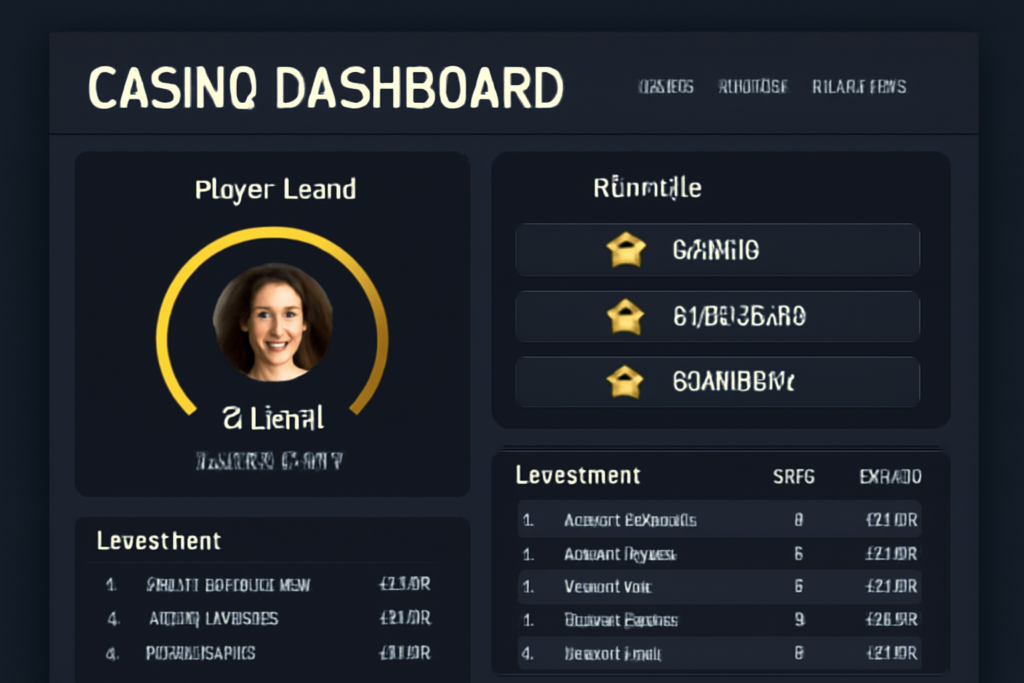
Casino CRM dashboard interface with gamification features like player levels, rewards, and leaderboards, designed with a sleek, professional layout.
Casino dashboard UI displaying player progress, rewards, and rankings with gamification elements for a professional gaming experience.

ALSO READ: Behavioral Biometrics for Smarter iGaming Segmentation


Key Casino Gamification Techniques

Effective casino gamification techniques go beyond simple point systems. Today’s CRM-enabled gamification may include:

  • Tiered rewards systems tied to betting volume or play frequency
  • Daily missions and spin-to-win promotions
  • Progress bars that unlock bonuses or VIP status
  • Seasonal events tied to leaderboards and competition

These features gamify engagement loops and make progression feel meaningful to the player.


The Role of CRM Technology in Player Engagement

Modern CRM technology empowers casinos to deliver dynamic and personalized content based on real-time user behavior. This includes:

  • Segmented push notifications and email campaigns
  • Personalized bonus offers based on gameplay patterns
  • Adaptive messaging powered by behavioral triggers

When paired with gamification layers, CRM platforms deliver tailored experiences that keep players coming back.

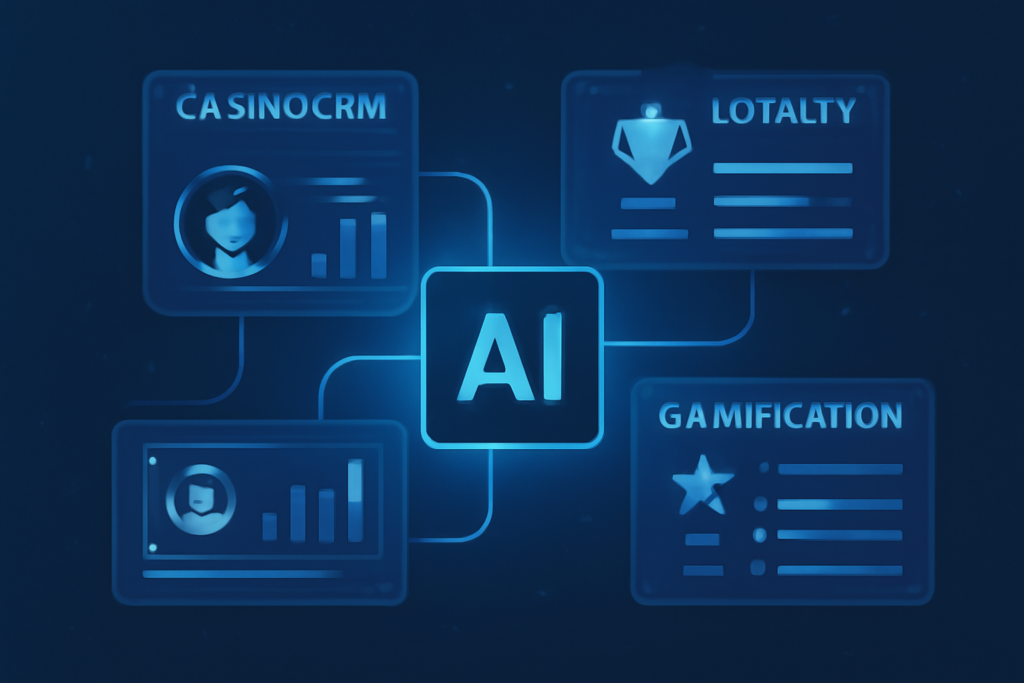
AI-powered casino CRM software analyzing player data for loyalty and gamification, with digital interface displaying interconnected data windows.
AI-powered CRM system for casinos, visualizing player data and gamification features like loyalty rewards in a sleek digital environment.

Why Gamification Boosts Player Retention

Gamification works on psychological principles like reward anticipation, competition, and achievement. These mechanics create emotional triggers that increase stickiness and reduce churn.

In particular, gamified CRMs contribute to:

  • Higher session times
  • Increased average player value
  • Stronger lifetime loyalty

Real-time feedback loops, like instant reward notifications, further strengthen engagement and reduce abandonment rates.


Trends in iGaming CRM and Gamification

As the iGaming sector matures, the fusion of CRM and gamification is evolving. Key CRM gaming trends include:

  • AI-driven personalization: Using predictive analytics to tailor missions and incentives
  • Cross-platform gamification: Ensuring consistent experiences across mobile, desktop, and app channels
  • Social mechanics: Allowing users to compete or collaborate with friends via CRM-integrated leaderboards
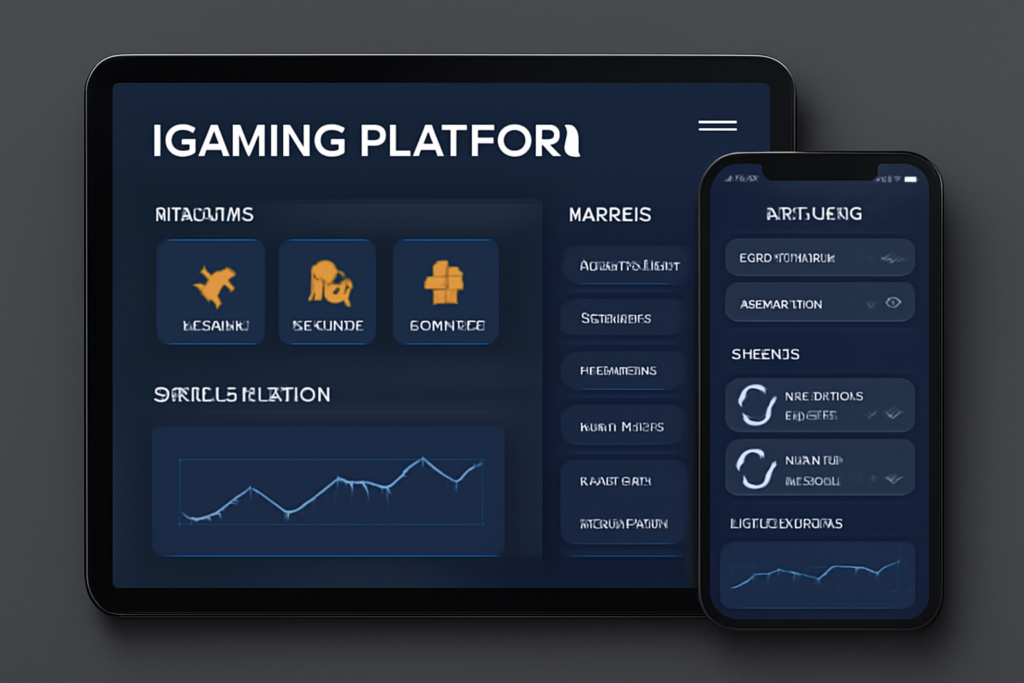
iGaming platform interface displaying gamification rewards, missions, and player analytics on a tablet and smartphone with a sleek, modern design.
Sleek, user-focused iGaming platform interface shown on tablet and smartphone, featuring rewards, missions, and player analytics

Gamification Use Cases in iGaming CRM

Many top-tier iGaming platforms now deploy gamified CRMs for:

  • New user onboarding (e.g., first deposit missions)
  • Win-back campaigns for inactive players
  • VIP loyalty programs that gamify exclusive access
  • Referral gamification to encourage network growth

Companies like SoftSwiss, BetConstruct, and EveryMatrix are leading adopters of gamified CRM modules that merge behavioral data with real-time incentive engines.


FAQs

What is gamification in CRM for casinos?

It involves using game elements like rewards, missions, and levels within CRM systems to increase player engagement and loyalty.

How does gamification impact player retention?

By tapping into reward and competition psychology, gamification makes casino experiences more enjoyable, increasing session times and reducing churn.

Can gamification be customized in CRM software?

Yes. Advanced iGaming CRM software allows full customization based on player segmentation, behavior, and engagement triggers.

Is gamification effective for both new and returning players?

Absolutely. It boosts initial onboarding for new users and re-engages lapsed or high-value players through personalized journeys.

Are there risks to over-gamifying CRM?

Yes. Overuse may lead to fatigue. Balance and data-driven personalization are key to sustainable engagement.


Conclusion & Call to Action

As the digital casino experience becomes increasingly competitive, gamification in CRM has emerged as a strategic differentiator. By marrying CRM technology with interactive engagement mechanics, operators can deliver a more compelling, personalized, and profitable experience for every player.

Want to upgrade your CRM with gamification? Explore our custom-built iGaming engagement solutions to stay ahead in the loyalty game.


AI-Driven Sentiment Analysis in CRM Tools for High-Stakes iGaming

In the world of high-stakes iGaming, where every win and loss counts, success hinges on a fragile balance of trust and player excitement. The key to keeping players from walking away is understanding their mindset. For years, standard CRM systems in gaming have focused on the numbers: how much players deposit, how often they play, and how much they spend. But these metrics tell only part of the story. They can’t tell you how a player feels, and that’s the missing piece. This is where AI-powered iGaming sentiment tools come in. 

By analyzing player language, actions, and interactions as they happen, this new kind of CRM analysis goes beyond the numbers. It gives operators a real-time look into what players are feeling. With this deeper understanding, gaming companies can create smarter player groups and build dynamic loyalty programs and engagement strategies that truly connect with high-stakes players. 

In this article, let’s see how AI-driven sentiment analysis within iGaming CRM software is changing the game.

What Is Sentiment Analysis in iGaming?

Sentiment analysis is the process of interpreting emotions and opinions expressed through words, actions, or even gameplay behaviors. In iGaming, this can mean tracking:

  • Player chat messages in live games.
  • Customer support tickets and complaints.
  • Social media reactions about the platform.
  • In-game decision patterns that suggest excitement, frustration, or boredom.

When integrated into a CRM gaming platform, this data helps operators classify players into emotional profiles and adapt strategies instantly. Instead of seeing a “high-value player” as just a number, systems can now recognize them as “high-value but at risk of churn due to frustration.”

Also See: The Role of Behavioral Biometrics in CRM-Based Player Segmentation

Why Sentiment Matters in High-Stakes Gaming

High-stakes players operate in environments where emotions run high, wins and losses have amplified impact. Ignoring sentiment leaves a gap in understanding loyalty triggers such as:

Trust Signals: Sentiment analysis reveals when players feel misled, undervalued, or dissatisfied.

Retention Drivers: Positive emotions like thrill, enjoyment, and belonging fuel long-term engagement.

Risk Management: Detecting negative patterns early reduces problem gambling risks and regulatory exposure.

By embedding gaming sentiment tracking into CRM systems, operators build strategies that are both profitable and responsible.

The Role of AI in CRM Sentiment Analysis

Traditional CRM could only track structured data—deposit amounts, time spent, withdrawal requests. But machine learning gaming models now allow systems to process unstructured data like chat transcripts, feedback forms, or social media posts.

Core AI Functions:

Natural Language Processing (NLP): Identifies emotion in written messages, detecting sarcasm, frustration, or excitement.

Behavioral Pattern Recognition: Monitors how quickly players switch games, how long they stay idle, or how betting size changes.

Predictive Modeling: Uses past emotional trends to forecast future engagement or churn risks.

Real-Time Alerts: Triggers CRM notifications when a player shows signs of dissatisfaction, prompting personalized outreach.

Through these features, AI gaming insights turn passive data into actionable engagement opportunities.

How iGaming Sentiment Tools Work in Practice

what is player behavior AI

Step 1: Data Collection

CRM systems gather raw data: chat logs, transaction history, session times, and even biometric indicators from devices where available.

Step 2: Sentiment Classification

AI assigns labels like positive, neutral, negative alongside more nuanced states like “anticipation” or “disappointment.”

Step 3: Player Segmentation

High-stakes players are segmented not just by spend but by emotional profile:

  • High-value + satisfied.
  • High-value + frustrated.
  • Low-value but highly engaged (potential to grow).

Step 4: Engagement Triggers

The system recommends or automates actions: bonus offers, loyalty rewards, or personalized messages through iGaming CRM software.

Benefits of AI-Driven iGaming Sentiment Tools in iGaming

1. Smarter Player Retention

iGaming loyalty AI ensures that rewards are not just financial but emotional. For example, a frustrated player may value timely support over a deposit bonus.

2. Real-Time Responsiveness

With real-time player analytics, operators can detect dissatisfaction during a session and intervene instantly.

3. Enhanced Risk Management

By spotting negative sentiment tied to erratic behavior, platforms can flag problem gambling risks early. This supports compliance and responsible gaming.

4. Personalized Player Journeys

CRM personalization becomes more refined—loyalty tiers, messages, and offers match the player’s mood, not just wallet size.

Also See: CRM Localization in iGaming

Challenges of Sentiment-Driven CRM in iGaming

Privacy Concerns: Handling sensitive emotional and behavioral data requires strict compliance.

Complex Emotion Detection: Sarcasm, humor, or cultural nuance can still confuse AI models.

Integration Barriers: Not all CRM platforms support advanced AI gaming insights out of the box.

Cost of Deployment: Building and training sentiment models requires upfront investment.

Yet, with CRM gaming software advancing, these challenges are increasingly manageable.

The Future of Sentiment Analysis in iGaming

Predictive Loyalty Systems

Combining sentiment with spend history, platforms will anticipate when a player is about to churn and intervene proactively.

Multi-Channel Integration

Sentiment data will merge across chat, social media, and gameplay for a unified player view.

Human + AI Hybrid Models

While AI flags emotions, human CRM managers add empathy and context, creating more authentic player connections.

Industry Standards

Expect shared frameworks for gaming sentiment tracking to ensure fairness, transparency, and compliance across platforms.

Conclusion

When it comes to high-stakes online gaming, it turns out psychology is just as important as probability. AI-driven sentiment analysis changes that by instantly understanding how a player feels. By using these insights, operators can build smarter player segments, respond right in the moment, and create loyalty that actually lasts. 

Machine learning helps CRM systems go from being static databases to powerful, dynamic tools for engaging players. For operators, bringing AI into their CRM isn’t just a competitive advantage; it’s about building real trust with players in an industry where feelings drive every bet.

FAQ: iGaming Sentiment Tools

What is sentiment analysis in iGaming CRM?

It’s the process of using AI to track and interpret player emotions in order to personalize engagement.

Why is it important in high-stakes gaming?

Because emotions drive loyalty, trust, and risk behavior more strongly when the stakes are higher.

What kind of data is used for sentiment analysis?

Chat logs, support tickets, social posts, gameplay behaviors, and transaction data.

Can sentiment analysis replace human CRM managers?

No. It enhances human decision-making but empathy and judgment remain vital.

How does it improve loyalty programs?

By aligning rewards with player emotions like timely support, recognition, or bonuses that feel personalized.

The Role of Behavioral Biometrics in CRM-Based Player Segmentation

The iGaming industry is experiencing explosive growth, with the global market expected to surge from $117.5 billion in 2025 to $186.58 billion by 2029, growing at a CAGR of 12.3%. In such a highly competitive landscape, simply knowing your customer isn’t enough. It’s essential to understand their every move. The future of iGaming lies in a game-changing technology called behavioral biometrics. 

Historically, the industry has relied on basic information like demographics and a player’s transaction history to understand them. The problem is, this traditional approach often misses the subtle but crucial behaviors that reveal a player’s true preferences and habits. This leads to generic marketing and missed opportunities to connect with players in a meaningful way. 

Behavioral biometrics technology goes far beyond traditional data by analyzing the unique ways a player interacts with a platform like their mouse movements, typing speed, and navigation patterns. It creates a deep, dynamic profile that allows operators to personalize the player experience in a way that was previously unimaginable. 

In this article, let’s take a look at the role of behavioral biometrics in CRM-based player segmentation.

What Is Behavioral Biometrics?

Behavioral biometrics refers to identifying individuals based on their patterns of interaction with devices and applications. Unlike physical biometrics like fingerprints or facial recognition, it relies on behavioral traits such as:

  • Keystroke dynamics: Rhythm, speed, and typing style
  • Mouse movement and click pressure
  • Swipe patterns on mobile devices
  • In-game navigation choices and response times
  • Decision-making flow during registration, play, or withdrawal

These signals are analyzed in real time, generating a digital behavioral identity. In iGaming, this means that every player has a unique behavioral signature that can be tracked across games, devices, and sessions.

Also See: AI Sentiment Analysis in iGaming CRM

Why Behavioral Biometrics Matters for iGaming CRM

Integrating behavioral biometrics into a smart segmentation CRM system transforms the way iGaming operators understand their audience. The result is a more intelligent and effective iGaming CRM strategy that can:

Enhancing iGaming Segmentation

Traditional iGaming segmentation divides players by spend level (VIPs, casuals), geography, or device usage. But these categories often miss nuance. By layering in behavioral data, operators can spot segments such as:

  • Risk-takers who frequently double down on bets.
  • Social players who engage more in chat features.
  • Strategic thinkers with slower, deliberate decision-making.
  • Impulse-driven players who bet quickly with minimal analysis.

As a result, this allows for smarter CRM personalization far beyond demographic assumptions.

Improving CRM Personalization

Behavioral biometrics powers gaming personalization AI inside CRM gaming software. Instead of static campaigns, operators can adapt promotions, messages, and game recommendations dynamically. Accordingly, it elevates iGaming CRM strategy from broad campaigns to 1:1 personalization. For example:

  • Players showing fatigue patterns might receive cooldown prompts.
  • VIPs displaying disengagement signals could be targeted with retention offers.
  • New players navigating slowly may receive guided tutorials.

Strengthening Player Identity Verification

Fraud, account sharing, and bonus abuse remain major challenges in iGaming. Traditional KYC tools rely on documents, but they don’t always prevent ongoing misuse. Behavioral biometrics solves this by continuously validating player identity verification in the background. 

If a session suddenly shows a different typing rhythm or mouse movement, the system flags potential fraud. For operators, this adds an invisible yet powerful layer of protection without interrupting the player experience.

Benefits of Behavioral Biometrics in CRM

about iGaming segmentation

1. Smarter Segmentation CRM Models

With smart segmentation CRM, behavioral signals become part of customer records, enriching how players are grouped. Segmentation is no longer based only on spend tiers but also on intent, risk appetite, and playstyle.

2. Real-Time Gaming Personalization AI

Gaming personalization AI interprets behavioral inputs in real time. For instance, if a player starts showing risk-averse tendencies, the CRM can shift promotions toward safer, strategy-based games.

3. Compliance and Responsible Gaming

Regulators expect iGaming firms to promote responsible play. By analyzing behavioral cues such as erratic betting or rapid deposit attempts, operators can detect early signs of problem gambling. The CRM can then trigger automated interventions, such as cool-off periods or responsible gaming reminders.

4. Increased Customer Trust

Players feel safer on platforms that protect them from fraud and misuse. Integrating player identity verification with behavioral biometrics builds transparency and loyalty, while also reducing operational losses for the operator.

How Behavioral Biometrics Integrates with CRM Gaming Software

A modern CRM gaming software suite needs to go beyond static databases. Integration with iGaming behavior tools enables a multi-layered approach:

  • Data Capture – Collecting keystroke, movement, and gameplay signals.
  • Analysis Layer – AI models translate patterns into risk profiles or playstyles.
  • Segmentation – Players are grouped using a mix of behavioral and demographic data.
  • Personalization Engine – CRM campaigns adapt messaging, offers, and recommendations.
  • Identity Verification – Continuous monitoring ensures the same individual is engaging.

When combined, these features make iGaming CRM strategy both proactive and adaptive.

Also See: CRM Localization in iGaming

Use Cases of Behavioral Biometrics in iGaming CRM

Fraud Prevention

  • Detecting multiple accounts controlled by the same individual.
  • Identifying bot-driven behavior.

Personalized Marketing

  • Delivering retention offers to players showing churn signals.
  • Promoting skill-based games to players with analytical playstyles.

Responsible Gaming

  • Noticing increased impulsivity during late-night sessions.
  • Triggering self-exclusion reminders when thresholds are breached.

VIP Management

  • Segmenting high-value players by engagement style, not just spend.
  • Anticipating churn in VIPs through early warning signals. 

Challenges of Adopting Behavioral Biometrics in CRM

Data Privacy Concerns

Players may worry about being tracked too closely. Operators must ensure transparent consent processes and compliance with GDPR and local privacy laws.

Integration Complexity

Legacy CRM platforms may lack the APIs or data infrastructure to handle iGaming behavior tools. Migration requires investment and technical expertise.

Balancing Security and Experience

Too much verification can frustrate players. The key is ensuring behavioral biometrics operates passively, without adding friction.

Regulatory Alignment

Different jurisdictions may interpret behavioral monitoring differently. Operators need compliance strategies that adapt to each market.

The Future of Behavioral Biometrics in iGaming CRM

what is CRM personalization

AI-Driven Predictive Segmentation

Future CRMs will use gaming personalization AI to anticipate not only current behavior but also future player trends. For instance, predicting when a casual player may evolve into a VIP.

Unified Identity Management

Behavioral biometrics will become part of player identity verification frameworks across devices, ensuring seamless recognition whether players switch from desktop to mobile.

Industry-Wide Responsible Gaming Benchmarks

Regulators may adopt behavioral signals as a standard for responsible play monitoring, pushing CRM tools to include real-time safeguards.

Next-Gen Smart Segmentation

Operators will combine demographics, spending, and behavioral biometrics into multi-dimensional segmentation models, creating a richer understanding of every player.

FAQ: Behavioral Biometrics

What is behavioral biometrics in iGaming?

It is the use of digital behavior patterns such as typing, swiping, gameplay navigation to identify and segment players securely and accurately.

How does it improve CRM personalization?

By enabling real-time adaptation of campaigns and game recommendations based on live behavioral cues.

Can behavioral biometrics prevent fraud?

Yes, it strengthens player identity verification by ensuring the same person is using the account, reducing account sharing and bot misuse.

Is behavioral biometrics compliant with data privacy laws?

When used transparently with informed consent, it aligns with GDPR and regulatory standards.

What role does AI play in behavioral biometrics?

Gaming personalization AI interprets behavioral signals at scale, powering segmentation, fraud prevention, and responsible gaming safeguards.

Conclusion

The one-size-fits-all approach to iGaming marketing is finished. As the industry matures, the ability to understand player behavior will be the ultimate competitive advantage. 

Behavioral biometrics is the technology that makes this possible, upgrading CRM from a simple tool to an intelligent growth engine. By looking at how players engage instead of just what they’ve done, operators can build stronger relationships, cut down on fraud, and make gaming safer and more personal for everyone. The future of iGaming isn’t about more data. It’s about smarter data.