Exploring the Neuroscience of Gambling: Enhancing iGaming CRM Strategies


Ever wondered why some casino games just keep people hooked? What’s that magic trigger for the rush of excitement or the feeling of a big win? The truth is, it all comes down to what’s happening deep inside the brain or neuroscience of gambling.
The modern iGaming world isn’t just a toss of the dice anymore, it’s cleverly designed using neuroscience and the psychology of play. Operators are realizing that to build true loyalty, they need to understand how our brains respond to risk, reward, and anticipation. That insight is completely changing how they craft the online casino experience.
By connecting these neurogaming insights with smart CRM (Customer Relationship Management) platforms, online casinos can do more than just send generic emails. They can genuinely personalize a player’s journey, accurately predict their behavior, and create environments that feel genuinely rewarding, not just like a sneaky manipulation.
The Neuroscience of Gambling
Gambling activates some of the brain’s most powerful reward systems. When a player wins or even anticipates a win the brain releases dopamine, the neurotransmitter responsible for pleasure and motivation.
But here’s the twist: the biggest dopamine spikes often occur during near-misses like moments when a player almost wins. This creates a loop of excitement and hope that keeps players engaged.
From a scientific standpoint, gambling taps into three key neural systems:
The Reward Circuit (Dopamine Pathway) – Triggers pleasure and motivation.
The Decision-Making Network (Prefrontal Cortex) – Manages risk, control, and strategic thinking.
The Emotional Core (Amygdala) – Processes excitement, fear, and impulsive responses.
When iGaming brands understand these systems, they can design more responsible and engaging player experiences.
How Neuroscience Shapes iGaming CRM
Modern iGaming CRM software is no longer just about storing data. It’s about interpreting emotional signals hidden in player behavior. By merging cognitive psychology with data analytics, CRM tools can detect what motivates different types of players and respond in real time.
1. Emotion-Driven Personalization
Neuroscience shows that emotion drives loyalty. If players associate positive emotions with your brand like excitement or trust they’re more likely to return. CRM systems use data such as time spent, preferred games, and response to bonuses to tailor interactions. For example:
- A thrill-seeker might receive time-limited challenges.
- A cautious player might prefer safer rewards and gradual progression.
2. Understanding Cognitive Load
Too many choices can overwhelm the brain. A well-structured iGaming user experience uses psychology to reduce cognitive load like showing fewer, more relevant options. By analyzing behavior data, CRM systems can simplify interfaces, highlight personalized offers, and keep engagement friction-free.
3. Predicting Player Emotions
AI-powered CRMs can infer emotional states from patterns: win/loss ratios, playtime spikes, or sudden inactivity. This helps identify frustration or burnout early. Smart alerts then guide retention teams to act offering a break, a support message, or a reward to re-engage the player responsibly.
Also See: Best iGaming CRM Software: Our Top Picks for 2025
The Role of Neurogaming in Modern Casinos
Neurogaming bridges neuroscience and interactive technology. In iGaming, it refers to designing digital experiences that align with how the brain processes pleasure, risk, and habit formation.
By studying neural responses, casinos can refine elements like:
Sound and animation: Rhythms and tones that trigger excitement.
Reward timing: Balancing unpredictability to sustain curiosity.
Social cues: Using leaderboards or multiplayer modes to activate belonging and competition circuits.
For example, variable rewards where players don’t know when they’ll win are neurologically more stimulating than predictable ones. iGaming CRM tools that recognize these triggers can deliver more emotionally satisfying campaigns without crossing ethical boundaries.
CRM Personalization Through Behavioral Insights
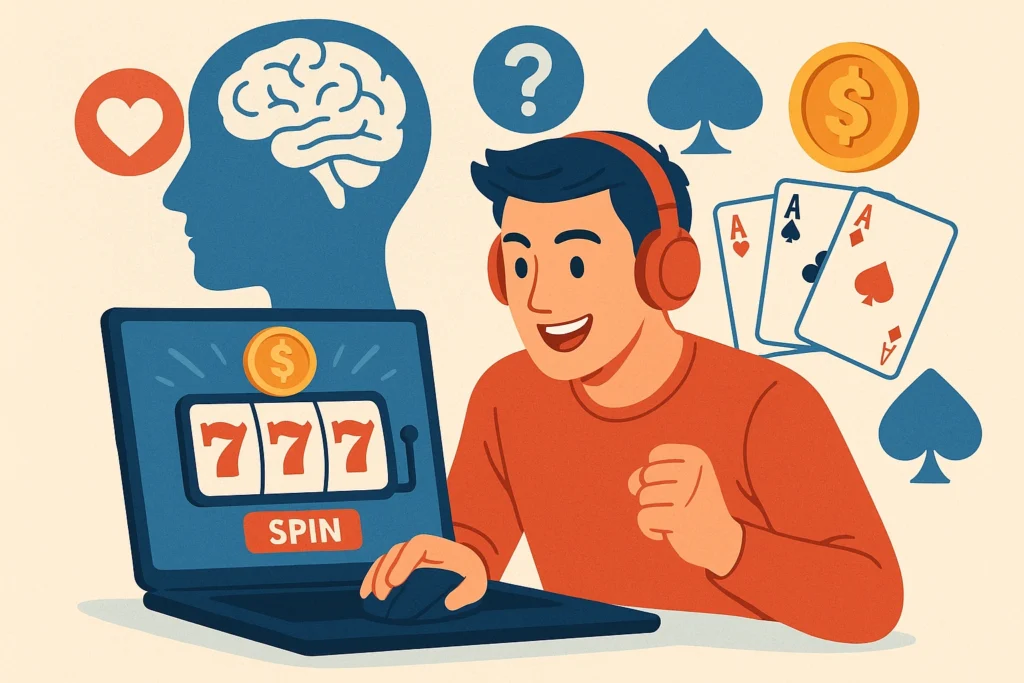
The combination of player psychology and CRM technology opens new dimensions in personalization.
1. Behavior-Based Segmentation
Rather than segmenting players only by spending, modern CRMs group them by behavioral intent: thrill-seekers, strategists, social players, or explorers. Each segment gets a tailored approach, from bonus types to in-game recommendations.
2. Adaptive Offers
Predictive algorithms assess a player’s mood or engagement level. For example, after a losing streak, the CRM might delay offers to prevent impulsive decisions. After a big win, it might trigger social sharing rewards to boost positive emotion and loyalty.
3. Reinforcement Learning
Like the brain’s reward system, CRMs can “learn” what keeps players engaged. Through trial and feedback, they fine-tune messages, visuals, and rewards over time making every campaign smarter and more human-centered.
Ethical Use of Neuroscience in iGaming
Understanding how the brain reacts to gambling comes with responsibility. Operators must balance engagement with player well-being.
Ethical CRM strategies should:
- Promote responsible gaming reminders during intense sessions.
- Detect early signs of compulsive play and offer self-control tools.
- Use behavioral insights to encourage breaks, not exploitation.
Responsible neurogaming isn’t about manipulating psychology, it’s about understanding it to create safer, more enjoyable environments that build trust.
Integrating Neuroscience into CRM Systems
Step 1: Data Enrichment
Combine transaction data with behavioral metrics such as session duration, loss frequency, and game-switching habits. These signals offer a window into the player’s mental state.
Step 2: Emotional Tagging
Advanced CRM personalization tools can tag players by inferred emotion like engaged, bored, frustrated, or excited. Campaigns are then aligned with their state.
Step 3: AI Feedback Loops
Machine learning models monitor results and adjust future interactions automatically. Over time, the system becomes more precise in predicting player motivation and satisfaction.
Step 4: Cross-Channel Consistency
Neuroscience shows consistent cues like colors, sounds, and tone to strengthen brand memory. CRM-driven communication should reflect this consistency across email, mobile apps, and in-game messages.
The Future: Brain-Responsive iGaming
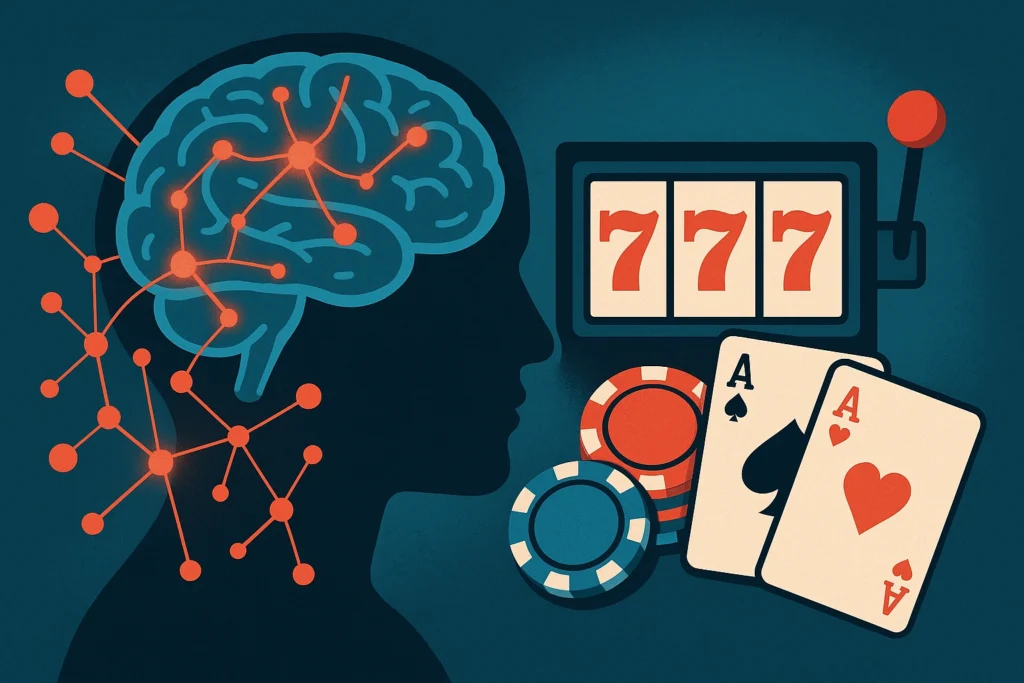
As neuroscience merges deeper with CRM systems, the next frontier could involve neural feedback loops. Future systems may track biometric signals such as heart rate or pupil dilation (with consent) to gauge excitement or fatigue in real time.
Such data could allow AI-driven CRM platforms to adjust difficulty levels, reward pacing, or even visual intensity dynamically. The result would be fully adaptive gaming experiences—where the system responds like a living, learning companion.
FAQ: Neuroscience of Gambling
What is neurogaming in iGaming?
Neurogaming applies neuroscience to game design studying how the brain responds to excitement, reward, and engagement to improve gameplay and retention.
How does neuroscience improve player loyalty?
By understanding emotional triggers, CRMs can personalize offers that align with genuine pleasure and satisfaction, strengthening long-term relationships.
Can neuroscience data be used ethically?
Yes. When used responsibly, neuroscience insights enhance user experience while promoting mental well-being and responsible play.
Is cognitive psychology relevant to CRM?
Absolutely. Cognitive psychology helps CRMs understand decision-making patterns, making interactions more intuitive and human-centered.
Conclusion
The neuroscience of gambling is reshaping how iGaming platforms think about engagement, loyalty, and personalization. By decoding the brain’s reward pathways and emotional patterns, CRM iGaming systems can move from reactive tools to predictive companions anticipating needs, managing emotions, and building lasting connections.
The future of casino marketing isn’t just in data. It’s in understanding the human brain behind every spin, bet, or click. Brands that embrace this union of cognitive psychology and CRM innovation will lead the next era of ethical, immersive iGaming.